

By Alan Clement
Civilians in South Sudan continue to suffer the worst effects of conflict, with renewed violence triggering fresh displacement and worsening humanitarian conditions despite the country’s fragile peace process, a new report warns.
According to a United Nations Commission on Human Rights in South Sudan report released on February 27, communities across the country remain exposed to violence, insecurity, and forced displacement years after the signing of the Revitalized Agreement on the Resolution of the Conflict in South Sudan.
According to the commission, investigators found that civilians continue to face attacks, threats and instability linked to ongoing clashes between armed forces and political tensions among rival groups, undermining hopes that the peace agreement signed in 2018 would end years of war.
The report further revealed that escalating violence has forced families to flee their homes with little warning, abandoning farms, livestock, and livelihoods, and many now shelter with relatives or in overstretched host communities where food, shelter, and basic services remain scarce.
The commission warned that the persistence of violence has deepened an already severe humanitarian crisis in the world’s youngest nation. “Civilians continue to pay the highest price,” the report noted, highlighting how insecurity, displacement and lack of accountability for abuses have prolonged suffering for ordinary citizens.
South Sudan descended into civil war in December 2013 following a political dispute between forces loyal to President Salva Kiir and those aligned with opposition leader Riek Machar. The conflict quickly spread across the country, killing tens of thousands of people and displacing millions.
Although the 2018 peace agreement led to the formation of a transitional government and reduced large-scale fighting, sporadic clashes, communal violence and political tensions have continued to destabilize parts of the country.
The UN commission report also raised concerns about the growing regional dimension of the conflict, including the involvement of foreign forces in military operations linked to the ongoing tensions.
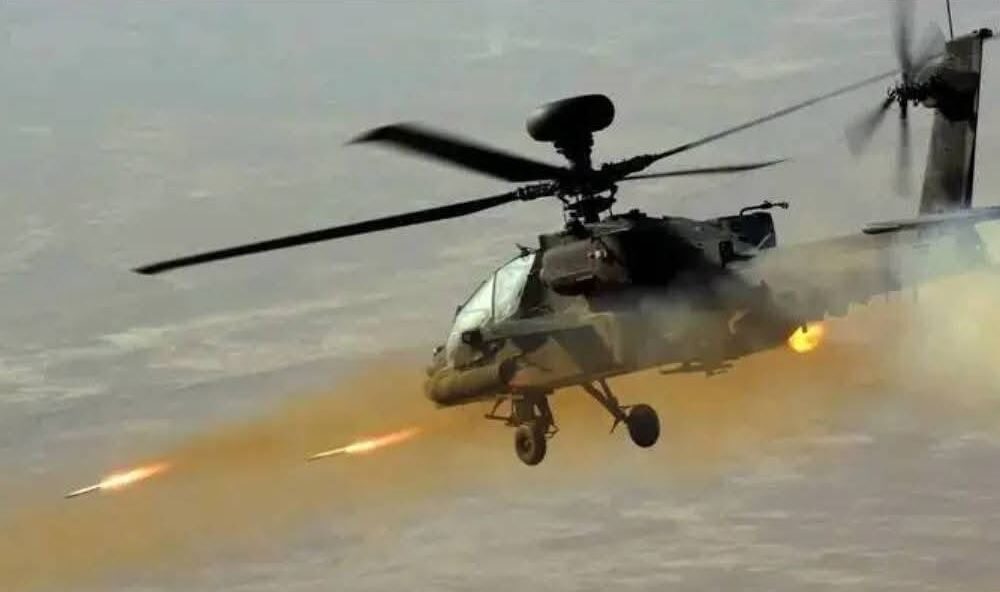
In particular, the report cited the deployment of troops from the Uganda People’s Defence Force in 2025, saying their involvement followed renewed clashes and contributed to joint military operations that included aerial bombardments.
The commission said evidence such as troop movements, aerial surveillance and public statements by military leaders pointed to coordination between South Sudanese and Ugandan forces during certain operations.
It argued that such developments risk widening the conflict and increasing the dangers faced by civilians, particularly in areas already struggling with displacement, insecurity and limited humanitarian access.
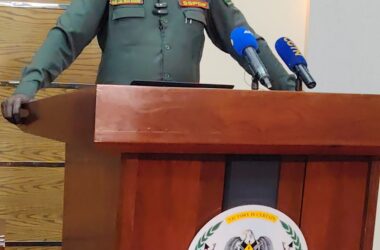
However, Uganda strongly rejected the characterization of its military role in South Sudan. In a press release issued on March 10, the Uganda People’s Defence Force said its mission in South Sudan is legitimate and was carried out at the invitation of the government in South Sudan, with approval from Uganda’s parliament.
According to the statement signed by Col. Chris Magezi, Acting Director of Defence Public Information at Uganda’s Ministry of Defence and Veteran Affairs, the deployment helped prevent widespread violence and protect civilians in the capital Juba.
Col. Magezi said the Ugandan military has never deliberately targeted civilians in its decades of operations and has previously carried out peace support missions in several countries in the region, including Somalia and the eastern Democratic Republic of the Congo.
The statement also criticized the UN report and media coverage of it, saying they did not fully reflect Uganda’s position, which emphasizes continued political dialogue, prevention of large-scale violence and maintaining regional stability.
Uganda maintains that its military presence helped prevent further fighting and halted attacks attributed to the White Army militia, which has been linked to violence against civilians during past conflicts.