


Ten years ago, the UN Security Council unanimously adopted Resolution 2286 on health care in armed conflicts.
In a statement that was jointly released by the three organisations, the situation in the country is worse compared to 10 years ago.
According to them today, “We mark not an achievement: we mark a failure.”
“As violence affecting medical facilities, transport, and personnel continues unabated, the harm this resolution sought to prevent has not diminished,” the statement partly read.
“It has continued and, in many contexts, intensified. As the heads of the International Committee of the Red Cross (ICRC), the World Health Organisation (WHO), and Médecins Sans Frontières (MSF), we join others in the international community in issuing an urgent call for action,” the statement continued.
They emphasised that every day on the front lines of the world’s most devastating crises, their teams witness the catastrophic consequences when the sanctity of health care is compromised.
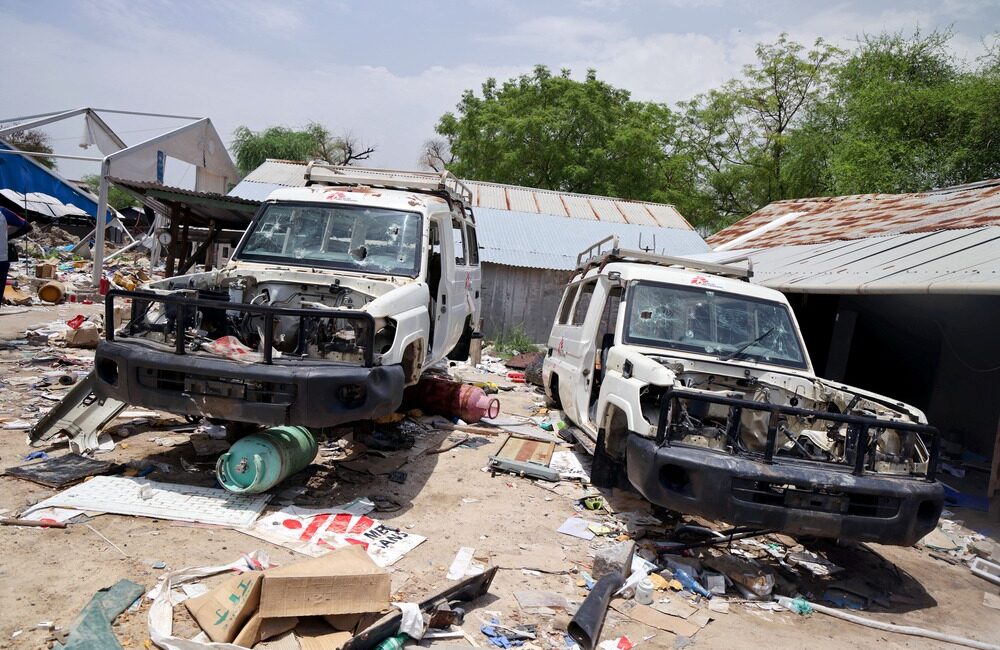
The organisations underscored that hospitals are reduced to rubble, ambulances face delays and obstruction, and doctors, nurses, and patients are too often caught in attacks that result in death and injury.
According to them, patients die from otherwise treatable wounds, women are sometimes forced to give birth without adequate care, and entire communities lose access to life-saving services.
“When health care is no longer safe, it is often the clearest warning sign that the rules and norms intended to limit the harm of war are breaking down,” it stated.
“When hospitals and those who provide care come under attack, we face not only a humanitarian crisis but a crisis of humanity,” the statement continued.
States and all parties to armed conflict must comply with the rules protecting health care. The obligation under international humanitarian law (IHL) to “respect and ensure respect in all circumstances” requires states not only to abide by these rules themselves, but also to use all possible influence to ensure that other states and parties to conflict do the same.
According to the statement, the recommendations of the UN Secretary-General that accompanied Resolution 2286 remain a clear, actionable roadmap for states.
The ICRC, WHO, and MSF stand ready with our presence in conflict settings, medical expertise, and operational capacity to support states in implementing these critical measures.
“We also recall World Health Assembly Resolution 65.20, adopted in 2012, which introduced systematic documentation and reporting of attacks on health care by WHO,” the statement read.
Strengthening consistent and transparent reporting is essential to building the evidence base, informing prevention and response, and supporting accountability.
They underscored that to uphold and advance resolution 2286’s demand, “all parties to armed conflicts fully comply with their obligations under international law to ensure the respect and protection of all medical personnel and humanitarian personnel exclusively engaged in medical duties.
The organisations called upon all states to urgently implement the translation of existing commitments into concrete action to implement resolution 2286 and actively promote the positive efforts, including the outcome of the Global IHL initiative’s workstream on achieving meaningful protection for hospitals.
Additionally, integrate the protection of health care into armed and security forces’ doctrine, rules of engagement, and operational guidance to give practical effect to IHL obligations. Review, enact, and strengthen domestic laws to protect health care in armed conflict.
“Allocate adequate financial, technical, and operational resources to implement measures that protect health care and promote respect for its provision. Use all available means to influence other parties to conflict, including those that states support in any form, to comply with their obligations to protect health care,” the statement further read.
They are also urged to conduct swift, transparent, and impartial investigations into attacks on health care and support efforts to ensure accountability in line with applicable legal frameworks.
Furthermore, regularly and transparently report on the implementation of resolution 2286, including progress, challenges, good practices, and lessons learned to support its full implementation.
According to the organisations, ten years ago on this day, the international community reaffirmed that the laws of war must be respected and that the wounded and sick, as well as those who care for them, must be protected.
“Today, health facilities continue to be damaged or destroyed. Medical workers and patients are still being caught in attacks that result in death and injury. That is not a failure of the law. It is a failure of political will,” the statement read.
They urged world leaders to act and show the needed political leadership to end this violence. Health care must never be a casualty of war.