


By Sabri Dibaco
The government of South Sudan has approved a sweeping set of reforms aimed at improving governance, strengthening accountability, and enhancing the delivery of public services across the country.
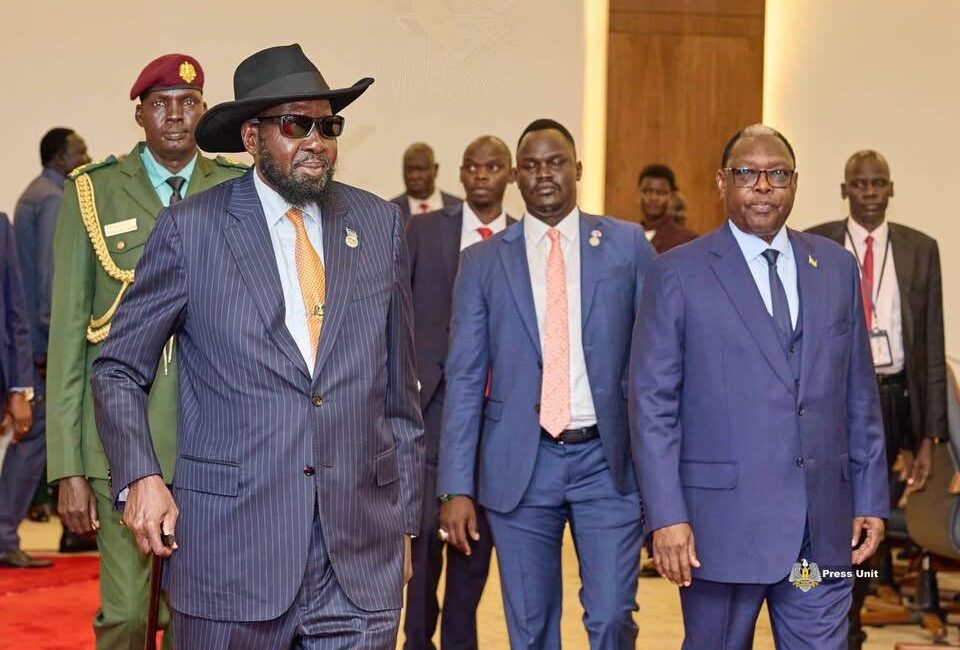
The decisions were reached during a meeting of the Council of Ministers chaired by President Salva Kiir Mayardit, as the government intensifies efforts to implement the Revitalised Peace Agreement and restore public confidence in state institutions.
At the heart of the reforms is a new policy regulating the management and use of government vehicles.
Officials say the measures are intended to improve accountability, reduce misuse of public assets, and streamline operations within ministries and government agencies.
The Cabinet also approved significant changes to the prison feeding system, introducing a centralised approach that places responsibility for procurement, menu planning, and monitoring under the Ministry of Interior.
Authorities say the reforms are designed to ensure that prisoners across the country receive adequate, standardised nutrition while improving the efficiency of correctional facility management.
In another major decision, ministers endorsed the Ministry of Parliamentary Affairs’ Strategic Plan for 2025–2030.
The framework is expected to guide the ministry and its partners in implementing programs that strengthen legislative coordination and improve institutional performance over the next five years.
Government officials described the reforms as part of a broader national agenda to modernise public administration and promote transparency in the management of state resources.
The latest policy decisions come at a time when South Sudan continues to pursue political stability and institutional reforms under the peace agreement.
Analysts say successful implementation of the new measures could play an important role in improving service delivery, boosting public trust, and reinforcing governance systems across the country.