

By Sabri Dibaco
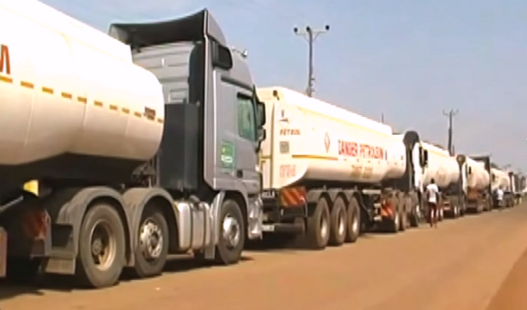
The government of South Sudan has announced that more than 200 fuel trucks are expected to arrive in a move aimed at addressing a worsening fuel shortage.
The initiative is a response to the current situation that has pushed prices to record levels and intensified pressure on households and businesses.
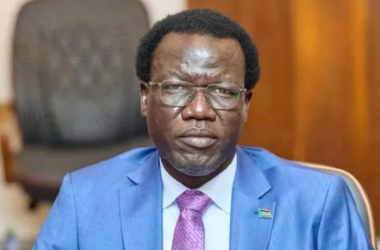
The announcement was made by Minister of Trade and Industry Margret Labanya Mathya after a meeting of the Ministerial High-Level Committee on Economic Reform.
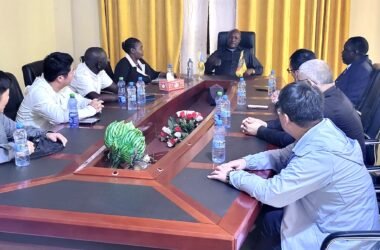
The meeting that brought senior government officials together reviewed urgent measures to tackle inflation, rising commodity prices, and the increasing cost of living.
Labanya said discussions with the Ministry of Petroleum had focused on the Government-to-Government (G2G) fuel supply agreement involving Pacific Petroleum.
She explained that authorities had been informed that a large consignment of fuel intended for South Sudan had been delayed at the Port of Mombasa in Kenya and at the Nimule border entry point.
“The two hundred (200) trucks of fuel destined for South Sudan are expected to arrive by next week,” Labanya said.
She said the fuel shipment is being delivered through companies operating under a tripartite arrangement with the Ministry of Petroleum, adding that the government expects the increased supply to improve availability and reduce pressure on consumers.
“We expect this additional supply to stabilise the fuel market and contribute to reducing prices, which will in turn ease the burden on the people of South Sudan,” the minister said.
The government’s announcement comes amid a severe fuel crisis that has affected major towns and communities across the country in recent weeks.
Shortages at fuel stations have led to long queues, reduced availability, and sharp increases in pump prices.
In some areas, fuel prices have risen to as high as SSP 20,000 per litre, creating additional challenges for citizens already struggling with high food prices and declining purchasing power.
The increase in fuel costs has also contributed to higher transport fares, which have affected the prices of basic goods as traders pass on increased transportation expenses.
Fuel shortages have become a recurring challenge in South Sudan, a country that depends heavily on imported petroleum products despite having oil reserves. Limited infrastructure, currency challenges, high transportation costs, and disruptions along supply routes have frequently affected the availability and affordability of fuel.
The government has been under growing pressure to find solutions to inflation and the economic difficulties facing citizens.
The Economic Reform Committee, chaired by the Minister of Justice and Constitutional Affairs, has been tasked by President Salva Kiir Mayardit to recommend immediate measures to stabilize prices and support economic recovery.
During the meeting, officials also engaged with fuel suppliers and business leaders as part of broader efforts to improve the supply of essential commodities and control inflation.
For many South Sudanese, the immediate priority remains seeing fuel return to filling stations at affordable prices.
The government hopes the arrival of the expected fuel trucks will mark the beginning of relief from the current crisis and help slow the rising cost of living across the country.