


By Louis Loku
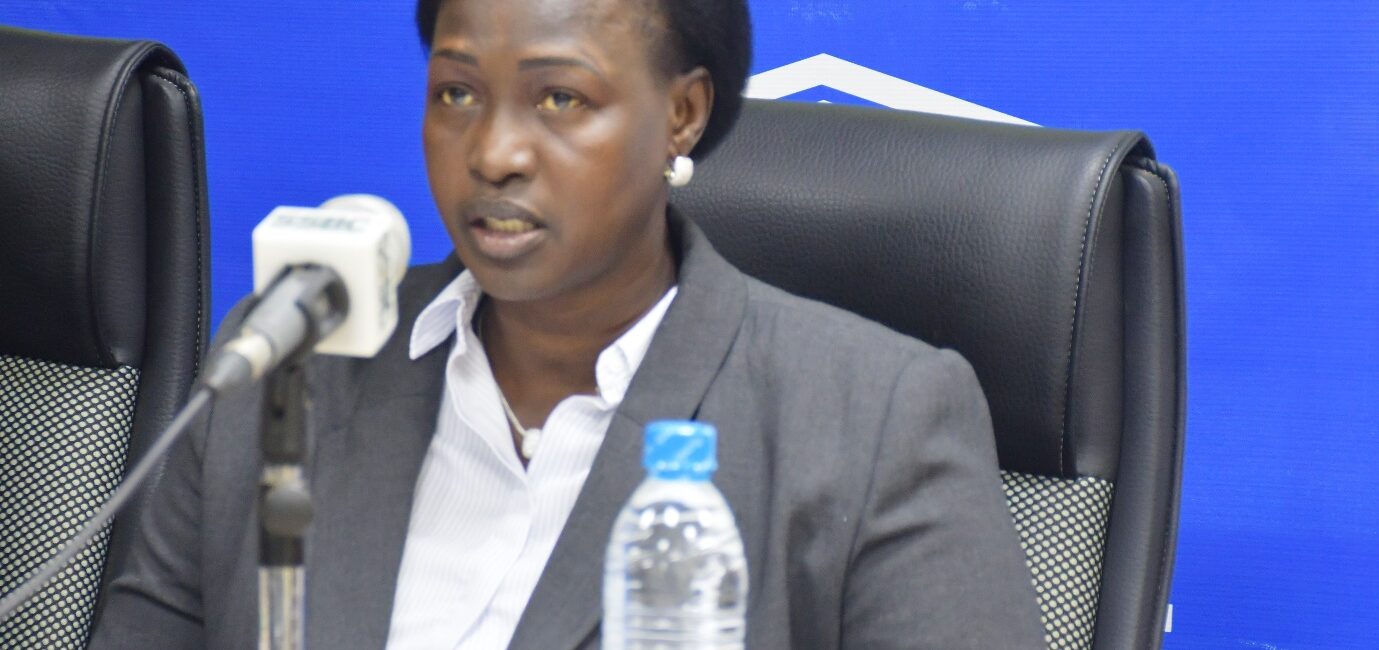
The Minister of Culture, Museums, and National Heritage, Sarah Nyanath Elijah, has called on South Sudanese across the country to observe Martyrs Day on 30 July with dignity, unity, and peaceful remembrance, despite the absence of government funding for official commemorative events this year.
In an official communiqué issued by the Ministry of Culture, Museums, and National Heritage, Minister Sarah Nyanath Elijah described Martyrs Day as one of South Sudan’s most significant national commemorations, honouring the men and women whose courage and ultimate sacrifice secured the country’s freedom, independence, and sovereignty.
She emphasised that the day’s importance goes beyond financial resources, stating that national commemorations derive their value from the country’s shared history, collective memory, and patriotism rather than the availability of government funding.
The minister acknowledged that no dedicated budget has been allocated for state-sponsored Martyrs Day activities due to prevailing economic challenges, competing national priorities, and preparations for the forthcoming national elections. However, she stressed that these circumstances should not diminish the nation’s responsibility to honour its fallen heroes.
Quoting the South Sudan National Anthem, Minister Elijah reaffirmed the country’s commitment to its martyrs, saying, “Our martyrs whose blood cemented our national foundation, we vow to protect our nation.“ She urged citizens to preserve the values for which the martyrs sacrificed their lives, including peace, unity, justice, freedom, and national dignity.
The ministry called upon the governments of all ten states, the three administrative areas, counties, payams, and bomas, alongside traditional leaders, religious institutions, civil society organisations, educational institutions, youth and women’s groups, cultural organisations, and families to observe the day in a peaceful, respectful, and dignified manner.
Minister Sarah Nyanath Elijah encouraged citizens to mark the occasion through candlelight vigils, prayers, moments of silence, memorial gatherings, educational activities, and other peaceful acts of remembrance in homes, churches, mosques, schools, public institutions, and community spaces.
She said these activities would serve as enduring symbols of national remembrance, peace, reconciliation, resilience, and unity while reaffirming the country’s gratitude to those whose sacrifices secured South Sudan’s independence.
The communiqué concluded with the ministry reaffirming its commitment to preserving South Sudan’s national heritage and ensuring that future commemorations continue to reflect the honour and dignity owed to the nation’s martyrs.
The statement was issued under the authority of Sarah Nyanath Elijah, Minister of Culture, Museums and National Heritage, in Juba.