

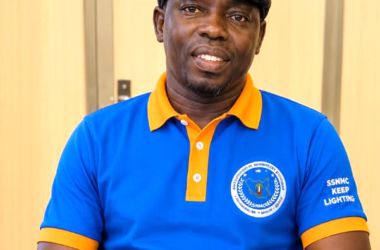

Writer: Ajak John Ateng
Every great nation is built not only through economic growth and infrastructure but also through everyday actions of its citizens. Among these, maintaining a clean and healthy environment stands as one of the simplest yet most powerful expressions of patriotism and civic responsibility.
As South Sudan looks toward a future of peace, prosperity, and sustainable development, introducing a National Cleaning Day would represent a meaningful national commitment to protecting the environment and improving the quality of life for every citizen.
Across South Sudan, growing heaps of waste, plastic pollution, clogged drainage systems, and littered public spaces have become increasingly common. These environmental challenges not only pose serious risks to public health but also diminish the appearance of our towns and cities.
They contribute to the spread of preventable diseases and increase the likelihood of flooding during the rainy season due to blocked drainage channels. As the adage goes, “A clean environment is the foundation of a healthy nation.” South Sudan cannot afford to ignore this important reality.
A National Cleaning Day would unite government institutions, schools, universities, businesses, faith-based organisations, youth groups, civil society organisations, and local communities in a common effort to clean streets, churches, markets, schools, hospitals, drainage systems, and other public spaces.
Beyond removing waste, such an initiative would help cultivate a culture of civic responsibility, reminding every citizen that maintaining a clean environment is a shared responsibility, not solely the duty of the government.
South Sudan does not need to reinvent the wheel. Several countries have already demonstrated how community-driven cleaning initiatives can transform a nation. Rwanda’s monthly Umuganda is one of Africa’s most remarkable success stories.
On the last Saturday of every month, citizens voluntarily come together to clean their neighborhoods, plant trees, repair community facilities, and discuss local development issues. This long-standing tradition has played a significant role in making Rwanda one of the cleanest countries on the African continent.
Similarly, India’s Swachh Bharat (Clean India) Mission has mobilised millions of people to improve sanitation and promote healthier communities across the country. Singapore has earned a global reputation for its cleanliness through effective waste management systems, continuous public education, and the strict enforcement of environmental regulations.
In Japan, children are taught from an early age to clean their classrooms, instilling the belief that respect for shared spaces begins with personal responsibility.
South Sudan can adapt these successful examples to suit its own national context by designating one day each month or even one day each year as a national cleaning day. Such an initiative could include community clean-up campaigns, tree-planting activities, environmental awareness programs, recycling initiatives, and proper waste management practices.
Beyond enhancing the beauty of our towns and cities, it would strengthen the spirit of ownership, cooperation, and national unity among citizens.
Establishing a National Cleaning Day could be the first step toward building a cleaner, healthier, and more attractive South Sudan. If countries such as Rwanda, Singapore, India, and Japan have demonstrated the transformative power of collective action, there is every reason to believe that South Sudan can achieve the same success. The time has come for all citizens to roll up their sleeves, work together, and make cleanliness not merely an occasional activity but a lasting national responsibility.
Ajak John Ateng, President of the Geological Society of South Sudan, can be reached via email: geosssinfo21@gmail.com.
Disclaimer: Any opinion published on our platform does not represent our view or position.