


By Lodu William Odiya
The government of South Sudan has moved to strengthen measures to avert a looming food crisis as a prolonged dry spell continues to threaten crops and livelihoods across the country.
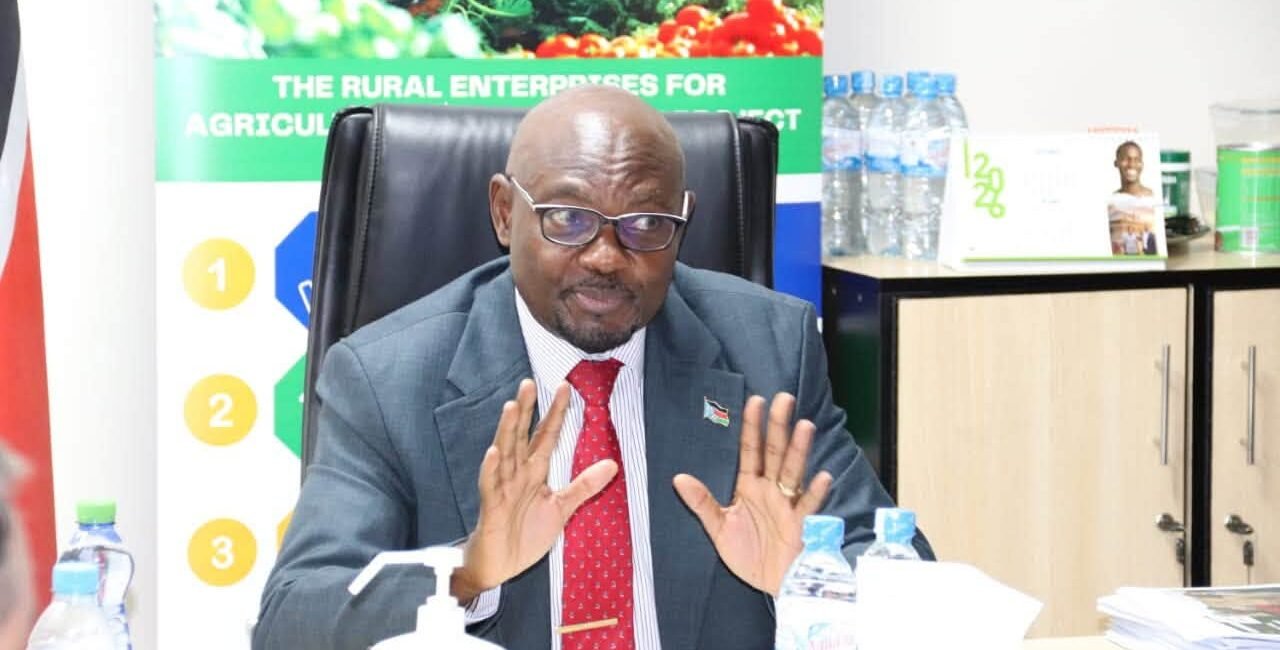
The Ministry of Agriculture and Food Security, under National Minister Clement Juma Mbugoniwia, convened a high-level meeting with key government ministries and development partners to discuss early action and strategies to protect food security amid worsening weather conditions.
In a statement by the ministry’s press unit, the meeting reviewed the impact of the ongoing dry spell on farmers and the wider agricultural sector, with ministry officials presenting field reports from different parts of the country.
The reports painted a worrying picture of crop failure and declining food supplies, with inadequate rainfall affecting agricultural production and putting the livelihoods of farming communities at risk.
“Partners at the meeting agreed that addressing the crisis requires a unified approach. There was consensus on the need to strengthen national preparedness, climate resilience, and anticipatory action for the 2026–2027 period. Leadership emphasised that the government and its partners must work collectively to mitigate the challenges facing the agricultural sector,” a statement partly read.
The ministry said the situation requires urgent humanitarian support alongside long-term measures to strengthen the country’s ability to withstand climate-related shocks.
Participants at the meeting agreed that the emerging crisis cannot be addressed by one institution alone, calling for a coordinated approach involving government, humanitarian agencies, development partners, and the private sector.
The meeting emphasised the need to strengthen national preparedness, climate resilience, and anticipatory action for the 2026–2027 period.
Among the measures proposed was the establishment of a body bringing together relevant agriculture-related ministries to coordinate a multi-sectoral response to the effects of drought and other climate shocks.
The meeting also called for the identification and protection of high-production agricultural areas to prevent a further decline in local food availability.
Other proposed measures include controlling the exportation of food commodities, protecting the assets of farmers and other food producers, and reviving private-sector participation in the agricultural value chain.
The ministry said protecting farmers’ productive assets would be essential to preventing vulnerable households from losing their livelihoods as the dry spell continues.
Minister Clement Juma Mbugoniwia stressed the importance of cooperation among government institutions, development partners, and the private sector in responding to the situation.
He said a collective approach would be necessary to address immediate food-security concerns while also building the resilience of the agricultural sector against future climate shocks.
The meeting concluded with a commitment to shift from largely reactive responses toward early action and long-term planning.
The ministry said strengthening resilience and preparedness would help reduce the impact of recurrent climatic shocks, protect agricultural production, and improve food availability for the population in the coming years.