


South Sudan stands at an important political crossroads. As the country prepares for the next phase of its political transition and the anticipated national electoral process, the quality of the political environment will be as important as the conduct of the elections themselves.
A democratic society cannot be built through political coercion, intimidation, forced recruitment, manipulation of political actors, or the use of institutional power to weaken competing political movements. Such practices may temporarily alter political alignments, but they do not create genuine political legitimacy, public confidence, or sustainable national unity.
Political cohesion should not mean political uniformity. Political stability should not mean the absence of political competition. And political inclusion should not mean forcing political actors into predetermined political arrangements.
South Sudan needs a political culture in which political parties can organise, recruit members, communicate their programs, mobilise citizens, and compete peacefully without fear of intimidation or discrimination.
The Political Parties Council’s legal mandate includes the registration, supervision and regulation of political parties, with a stated commitment to protecting the integrity and democracy of political parties. The National Elections Commission likewise recognises citizens’ political rights, including the right to nominate and be nominated and to freely express their political will.
Therefore, a genuine open political space in South Sudan founded on political coexistence, constitutionalism, rule of law, equality before the law, respect for political pluralism, and peaceful competition curtails political coercion, defection, intimidation, and manipulative recruitment.
South Sudan is a diverse nation with different political opinions, movements, parties, communities, generations, and visions for the future. These differences should not automatically be treated as threats to national stability. Instead, they should be recognised as part of a healthy political system.
A functioning democracy does not require citizens to belong to one political organisation. It requires citizens to have the freedom to choose among competing political ideas.
South Sudan’s political future should therefore be based on the principle that the strength of a nation is not measured by how many people agree with those in power, but by how safely those who disagree are allowed to participate in the political process.
Political parties should be treated as institutions of democratic participation rather than instruments of political confrontation.
Let us build a South Sudan where political differences are debated, not suppressed; where opponents are engaged, not intimidated; and where leadership is earned through the confidence of the people.
About the author:
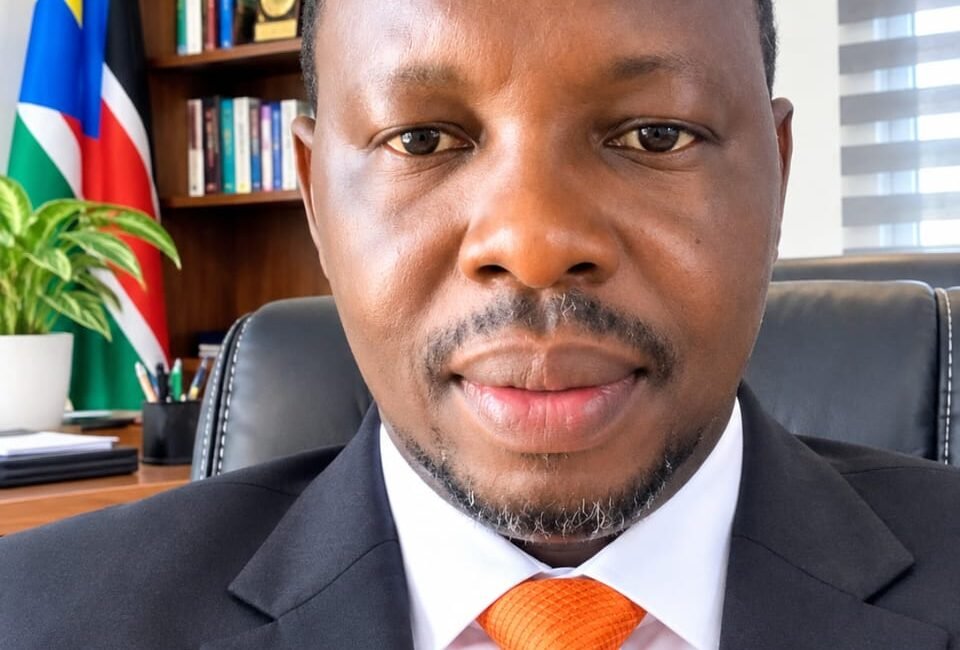
Hon. Mogga Charles Guya
Secretary for Foreign Affairs
South Sudan National Movement for Change (SSNMC), Juba
Disclaimer: Any opinion published on our platforms does not represent the view or position of the company.