

By Ijoo Bosco
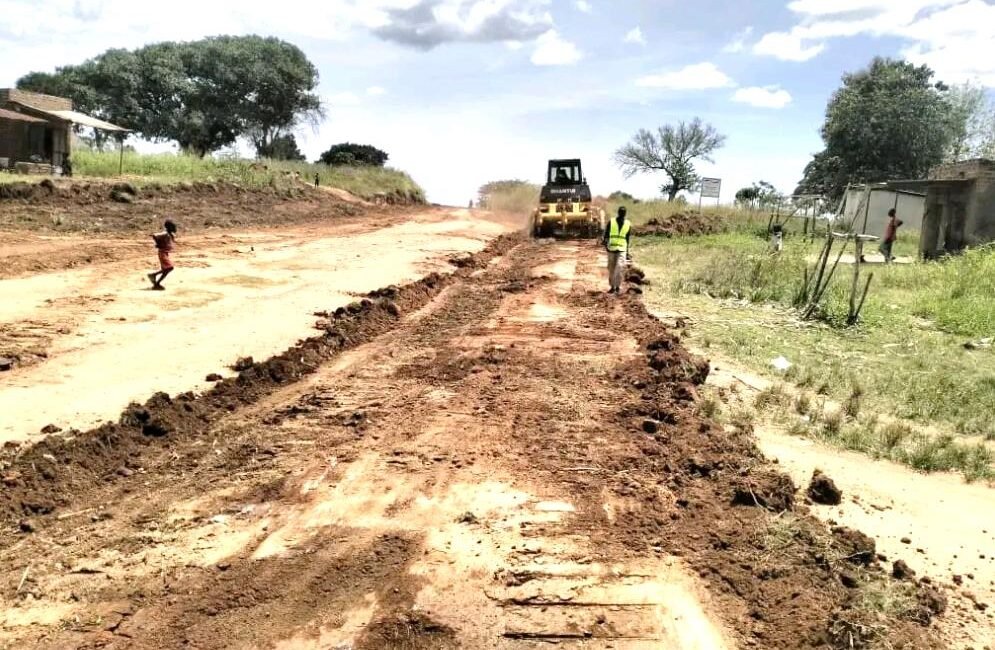
Rehabilitation of the 44-kilometer Magwi–Palotaka feeder road is expected to be completed in December this year, with the first phase of works already underway, according to UNOPS Project Manager John Nyirenda.
Nyirenda said the initial phase began on Monday with bush clearance, marking the start of rehabilitation works aimed at improving road access for farming communities and strengthening agricultural livelihoods in the area.
The project is expected to ease the transportation of agricultural produce, improve farmers’ access to markets, and support increased agricultural production by making it easier for communities to move goods between rural areas and trading centres.
The Magwi–Palotaka Feeder Road Rehabilitation is being implemented under the South Sudan Livelihoods Resilience Programme (SSLRP), a flagship initiative of the Government of South Sudan designed to strengthen rural livelihoods and resilience.
The program is implemented by the Ministry of Agriculture and Food Security (MAFS) in partnership with the United Nations Office for Project Services (UNOPS).
Funding for the program comes from the International Fund for Agricultural Development (IFAD), the Global Agriculture and Food Security Programme (GAFSP), and the Government of the Kingdom of the Netherlands.
The initiative is also supported by in-kind contributions from the South Sudanese government and program beneficiaries.
The rehabilitation of the road is expected to improve connectivity for communities along the Magwi–Palotaka corridor, where access to reliable transport routes is important for farmers seeking to sell their produce and access essential services.
With completion targeted for December, the progress of the works will be important to local communities that depend on the route for agricultural trade and other economic activities.
The project forms part of broader efforts to strengthen agricultural production, improve market access, and build the resilience of rural communities in South Sudan.