

By Sabri Dibaco
The South Sudan Media Authority is expected to publish new election reporting guidelines following consultations with media houses and journalists, as preparations intensify for the country’s first-ever general election.
The Acting Director General of Media and Information Compliance at the Media Authority, Peter Jok Gai, made the announcement during the closing session of a two-day capacity-building training on electoral reporting for journalists in Juba.
Gai said the guidelines would provide professional standards for journalists covering the electoral process, including the campaign period, polling day and announcement of election results.
He said the proposed guidelines would first be presented to media houses and journalists for validation before their official publication, although he did not specify when they would be released.
“These guidelines are not meant to restrict press freedom. Rather, they provide a clear roadmap for fair, balanced, and lawful reporting,” Gai said.
He urged media organisations to familiarise themselves with the guidelines and ensure that journalists covering the elections obtain valid accreditation from the relevant media and electoral authorities.
Gai also encouraged journalists to display their accreditation while reporting in the field, saying this would help protect them and facilitate cooperation with election officials and security personnel.
He further called on journalists to uphold professional ethics by separating news from opinion, verifying information before publication and avoiding bias and conflicts of interest.
“We must separate news from opinion. We must verify facts before publishing. And we avoid any form of bias or conflict of interest,” he said.
Meanwhile, the Executive Director of the Centre for Democracy and Development, Eric J. Moses, said the media had an important responsibility to ensure that elections became a peaceful democratic process rather than a source of violence.
Moses warned that misinformation, exaggeration and inflammatory reporting could deepen existing divisions and increase political tensions if journalists failed to exercise professional responsibility.
“Elections present an opportunity for citizens to exercise their democratic rights and shape the future of our country through a ballot rather than violence,” he said.
The Resident Representative and Director of Konrad Adenauer Stiftung in Uganda and South Sudan, Franziska Kuehl, also underscored the media’s role in connecting political leaders with citizens and strengthening democratic governance.
“The media and journalists are the meeting point between politicians and the people,” Kuehl said.
She highlighted the importance of responsible journalism in promoting informed public participation and preventing election-related violence.
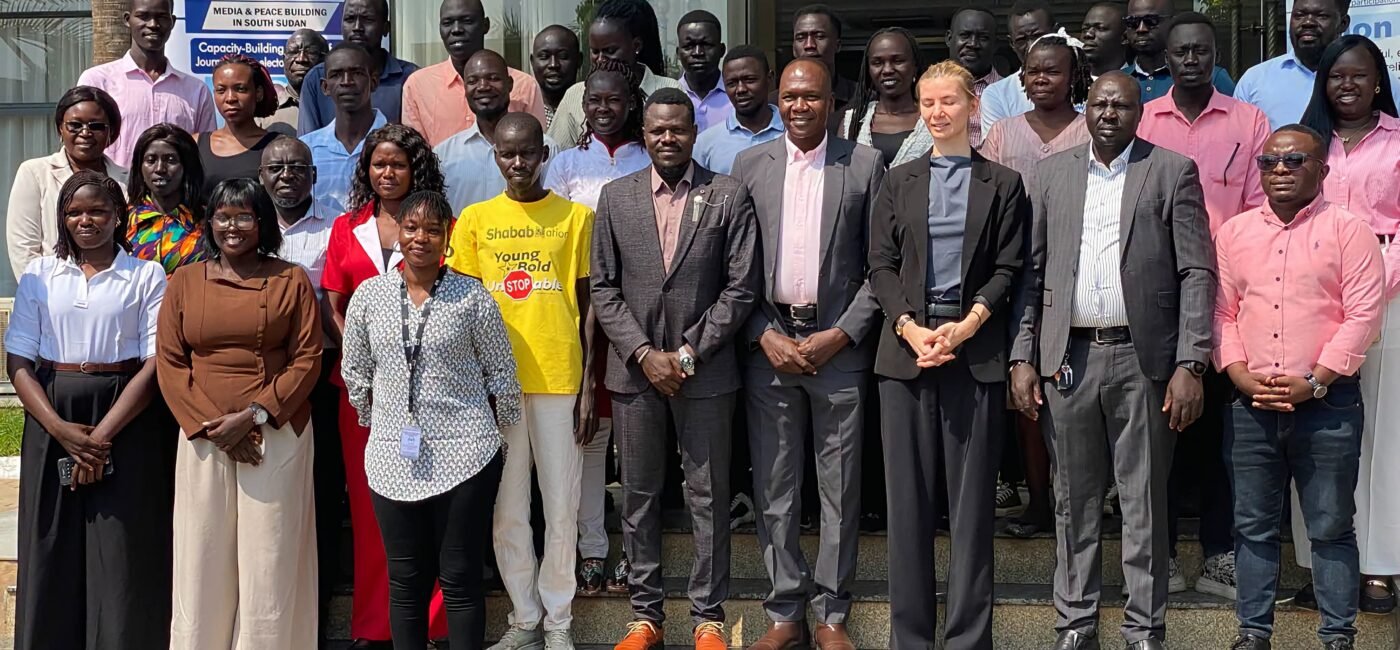
The two-day training was organised by the Centre for Democracy and Development in partnership with Konrad Adenauer Stiftung.
It focused on strengthening journalists’ capacity in electoral reporting, fact-checking, countering misinformation and disinformation, journalist safety and conflict-sensitive reporting ahead of the anticipated elections.