




By Sabri Dibaco
The Azande community of Western Equatoria State is kicking off their celebration of cultural traditions and history during a two-day festival in Juba, with organisers emphasising the importance of preserving customs and passing cultural values to younger generations.
The festival, organised by the Azande Community Organisation (ACOR), will take place from November 27 to 28, 2026, at Nyakuron Cultural Centre.
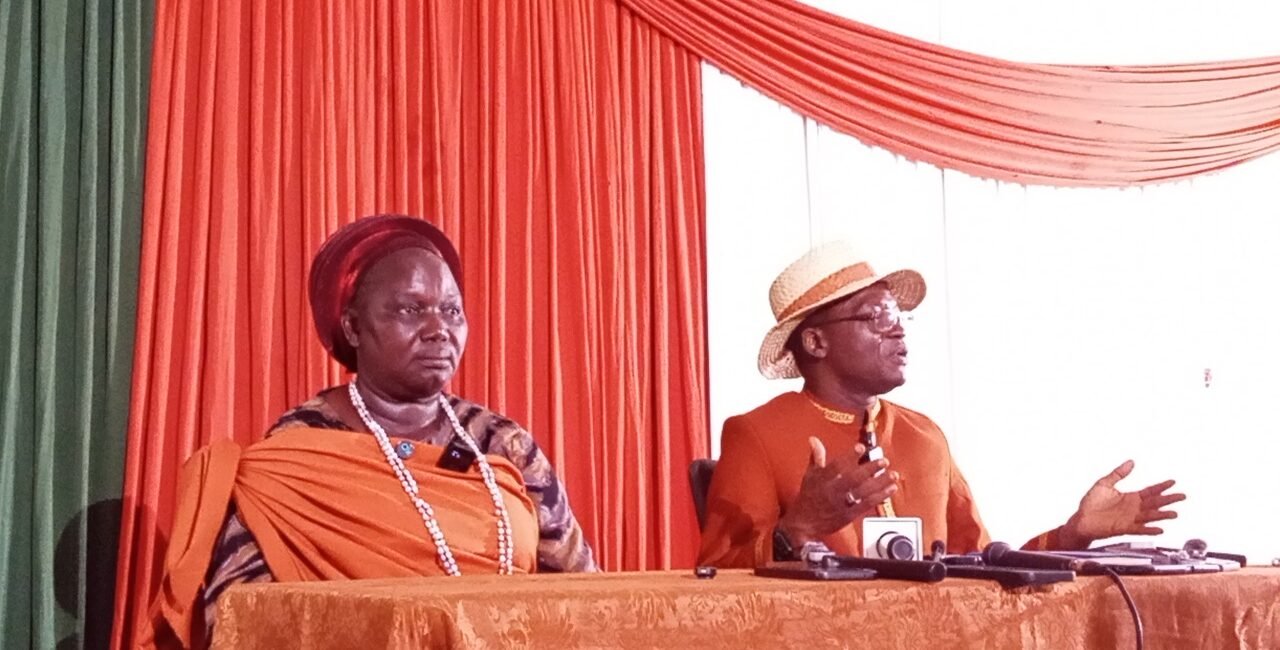
Speaking during a press conference in Juba on Thursday, the chairperson of the organising committee, Pia Philip Michael, said tradition remains an important part of Azande identity and a way of life that connects generations.
“Something that we the Azande people treasure very much is our tradition. We believe that a tradition is a way of life that moves from one generation to another,” Michael said.
He said the festival would showcase traditional dances, cultural attire, local foods and historical presentations, providing an opportunity for young people and other communities to learn about Azande customs and history.
Michael identified respect for elders, peace, social cohesion and care for children and women as important values within Azande tradition.
He said preserving these values is essential to ensuring that younger generations understand their cultural identity and continue practising traditions passed down by their ancestors.
The organising committee chairperson also said the festival would help address misconceptions about the Azande community, particularly among young people who may face questions about their identity because of differences in language and physical appearance.
He said cultural education could help communities understand one another and reduce ethnic stereotypes.
Meanwhile, ACOR Deputy Chairperson Modi Mbaraza said women play an important role in preserving Azande traditions and passing cultural values to future generations.
She said respect, family responsibility and care for children remain central elements of traditional Azande society.
Mbaraza highlighted traditional greetings and the respect shown to elders and community leaders as examples of cultural practices that should be maintained.
She encouraged people from all ethnic communities to attend the festival and learn about Azande traditions through cultural performances and interaction.
The event will also feature participation from other ethnic communities, creating an opportunity for cultural exchange.
Organisers said the festival is being funded largely through contributions from members of the Azande community and well-wishers.
The two-day celebration is expected to bring together representatives of South Sudan’s 64 ethnic communities, with organisers hoping to strengthen cultural understanding and ensure that Azande traditions remain an important part of the country’s cultural heritage.