


By Jackson Gaaniko
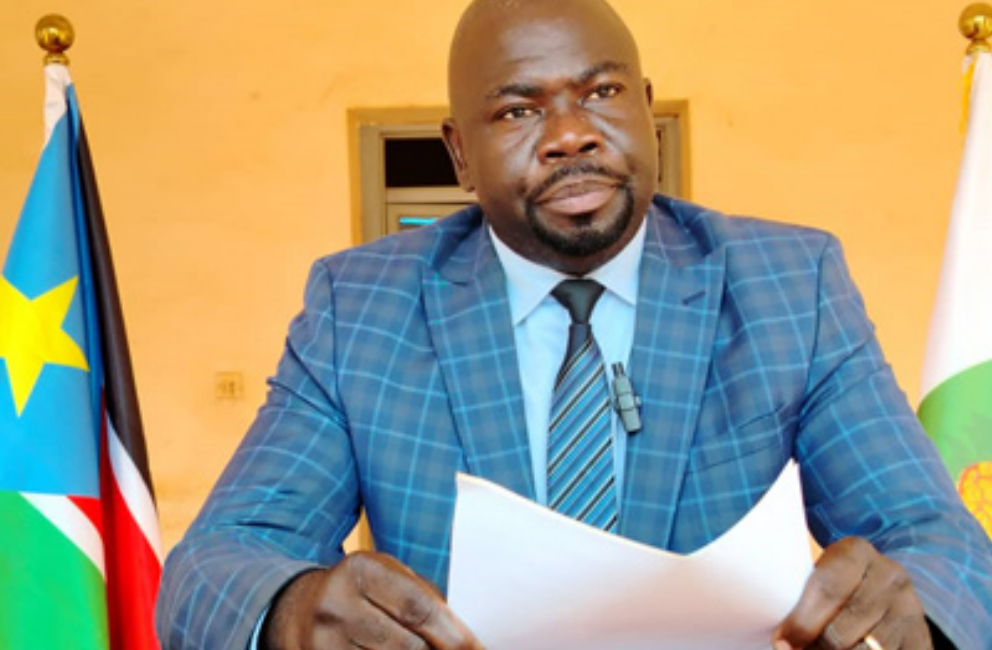
The Governor of Western Equatoria State has reaffirmed his administration’s commitment to peace, stability, and reconciliation.
He called for stronger collaboration with religious leaders to help end violence and promote unity across communities.
Speaking during a peace engagement with faith leaders, the governor said peace-building efforts must be strengthened through inclusive dialogue, community outreach.
The governor added that trust-building initiatives to reach all groups, including those still operating in the bush will be made.
He announced that religious leaders will be given the mandate to engage armed groups and individuals who are hesitant or afraid to communicate with authorities.
The governor cited that their role is vital in bridging the gap between communities and government.
“We are giving you full freedom to reach out to those in the bush, those who are afraid to speak, and those who find it difficult to engage,” he said.
He added that faith-based organizations can help bring people together for dialogue and reconciliation.
The governor also said the government is considering reintegration measures, including possible amnesty for young people who have taken up arms but are willing to return home and embrace peace.
He made a strong appeal to armed youth still in the bush, urging them to abandon violence and return home, stressing that continued conflict only deepens suffering and slows down development.
“For how long shall we continue to kill ourselves when we have abundant resources?” he said, calling on communities to choose peace as the only path to progress.
He further emphasized that his administration is fully committed to ensuring that Western Equatoria does not return to war.
The governor also aligned his message with broader religious and global peace appeals, including references to Pope Francis, urging communities to embrace non-violence, unity, and reconciliation.
The remarks come amid renewed efforts by state authorities and partners to strengthen peacebuilding initiatives through dialogue, religious engagement, and community reconciliation aimed at restoring lasting stability in Western Equatoria State.