


By Lodu William Odiya
The SPLM Former Detainees (FDs) have called on South Sudanese youth to reject political leaders who promote incitement and confrontation, warning that mobilising young people into street protests or violence could further undermine the country’s fragile peace.
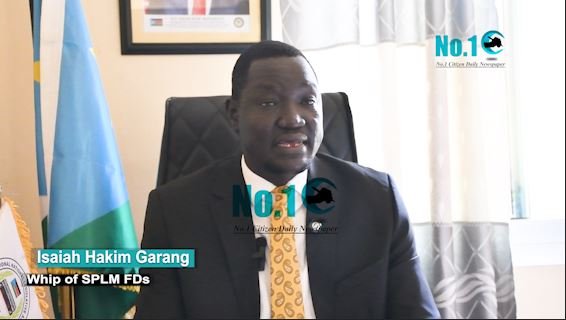
Isaiah Hakim Garang, who is the SPLM (FDs) whip at the TNLA, said political disagreements should be addressed through dialogue, reconciliation, and constitutional processes rather than through calls that could encourage young people to take up confrontation.
“The SPLM-FDs believe that the challenges facing South Sudan must be addressed through dialogue, reconciliation, and constructive engagement but not through rhetoric that may sow division or provoke unrest,” he said.
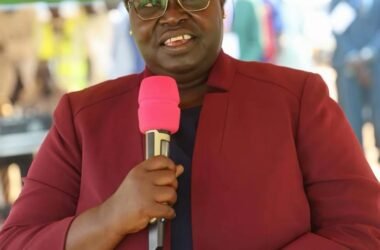
The remarks followed concerns over comments made by Vice President Mama Rebecca Nyandeng during a funeral service at All Saints Cathedral in Juba, where she criticised the country’s leadership and called on young people to rise and fight for their rights.
The FDs condemned what they described as statements capable of inciting confrontation, while acknowledging the vice president’s constitutional right to express her views.
“We respect her rights to express her views, but we strongly condemn such statements, particularly when made in a sacred space and at a solemn occasion meant to honour the life of a departed leader,” the FDs said.
Hakim warned that calls encouraging youth to take to the streets could threaten national stability at a time when South Sudan is still recovering from years of conflict.
He underscored that the country’s current political and security challenges are partly rooted in divisions within the Sudan People’s Liberation Movement (SPLM), particularly following the outbreak of conflict in December 2013.
“When the conflict happened in South Sudan in 2013, it started in the party, the leadership of the SPLM. Then, from there, we created a lot of groups. Some of them are armed groups, and some of them are parties,” the leader said.
He argued that politicians bear significant responsibility for the divisions that have affected the country since the signing of the Comprehensive Peace Agreement and independence.
The FD’s leader also appealed to political leaders to allow President Salva Kiir Mayardit to implement the country’s political arrangements, urging them to work together instead of deepening political divisions.
He said South Sudanese have the right to demonstrate and express their grievances through lawful and constitutional processes but rejected what he described as attempts to mobilise young people for individual political interests.
“Based on the constitution of South Sudan, everyone has a right to demonstrate through process. This is the right of South Sudanese,” he said.
“But to mobilise and incite the young people to go out for personal, individual benefit, we are not for that.”
Hakim referred to previous violence, including fighting in Nasir, as an example of the consequences of political incitement, saying the country had lost soldiers and civilians as a result of political and armed confrontations.
He urged young people to remain cautious and avoid following political figures whose messages could expose them to violence.
“Our community is not that strong. So, we are urging and asking our youth not to follow leaders who want to destroy our country,” he said.
The FDs further called for greater investment in youth empowerment, arguing that young people need education, employment opportunities, and meaningful participation in governance rather than encouragement to engage in confrontation.
The group said South Sudan’s challenges can be addressed through political dialogue, reconciliation and constructive engagement, stressing that national leaders have a responsibility to protect peace and social cohesion.
The statement comes as South Sudan continues to navigate political tensions and preparations for the country’s next electoral process, making calls for restraint and peaceful political engagement increasingly important.