


Writer: Sabri Dibaco
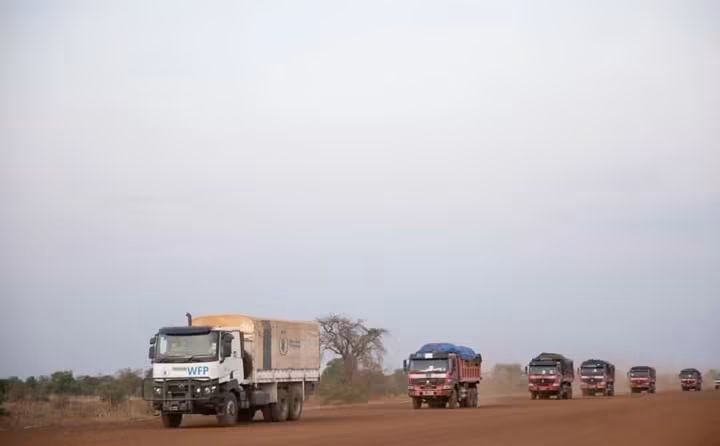
The United Nations World Food Programme (WFP) has condemned the forced offloading of more than 162 metric tons of humanitarian food assistance during a river convoy operation in Jonglei State, warning that insecurity and interference are putting vital relief operations at risk.
WFP said armed youth in Chuilbong, Ayod County, threatened two humanitarian workers at gunpoint on September 29 and blocked the movement of food assistance destined for Mogok, an area under government control.
The agency said the incident occurred despite lengthy negotiations intended to secure safe passage for the convoy travelling from Chuilbong to Mogok and onward to Ayod South.
According to WFP, 162.54 metric tons of food assistance, enough to support about 4,400 vulnerable people for three months, was forcibly offloaded after local authorities were unable to guarantee the convoy’s security and safe passage.
WFP said the incident represents a serious disruption to humanitarian operations at a time when vulnerable communities continue to depend on food assistance.
“WFP calls on all parties to uphold international humanitarian law, protect civilians and aid workers, and ensure the safe and unhindered movement of humanitarian personnel and relief supplies,” the agency said in the statement.
The organization also stressed that humanitarian access to people in need must not be obstructed by insecurity or interference.
The remainder of the convoy, which included personnel from Action Against Hunger and 291.48 metric tons of food intended for Ayod South, returned safely to Malakal on October 2 without further incident.
Humanitarian organizations operating in South Sudan continue to face significant challenges in reaching communities affected by conflict, displacement and food insecurity. Insecurity along roads and waterways has repeatedly complicated the movement of relief supplies and humanitarian personnel.
River transport is an important lifeline for humanitarian operations in parts of Jonglei and Upper Nile, particularly during periods when roads become difficult to use. Any disruption to these supply routes can delay food distributions and increase the risks faced by communities already experiencing severe humanitarian needs.
The latest incident also highlights the security challenges faced by aid workers operating in remote areas. WFP said humanitarian personnel must be allowed to carry out their duties safely and without threats or interference.
The agency called on all parties to respect humanitarian principles and facilitate the delivery of assistance to civilians regardless of their location or political affiliation.
WFP said the food forcibly offloaded in Chuilbong had been intended for vulnerable people in Mogok, meaning the disruption could leave thousands of people without planned assistance for the coming months.
The agency reiterated that humanitarian operations depend on safe, predictable and unhindered access to communities in need.