


By Deng Athian
Financial experts have urged the Ministry of Finance to repay outstanding overdrafts owed to the Bank of South Sudan (BoSS), saying government borrowing and excessive spending are contributing to liquidity challenges in the banking sector.
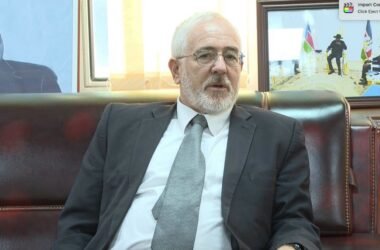
Stephen Omiri Obuor, a certified accountant, said repaying the government’s outstanding obligations to the Central Bank would help improve liquidity in commercial banks and ease difficulties customers face when withdrawing their deposits.
“The Ministry of Finance should pay back what it owes the Central Bank to help ease the liquidity challenges facing commercial banks,” Obuor said.
He also called for stronger fiscal discipline and proposed exploring South Sudan’s gold resources as an alternative means of strengthening the economy.
“We need another source of backing for our currency, and gold could be one option. The Central Bank could explore a policy to purchase locally produced gold under transparent arrangements,” he said.
Dr. Augustino Ting Mayai said, according to his research, the Central Bank had been printing money to help the government meet its financial obligations amid high public spending.
“Overdraft is leading to fundamental problems, and that is the number one issue that should be addressed,” Mayai said, warning that excessive reliance on Central Bank financing could create economic instability when government expenditure exceeds available revenue.
According to Mayai’s research, the Ministry of Finance owes the Bank of South Sudan approximately US$1 billion.
He said repaying the debt would help restore confidence in the Central Bank and enable it to settle outstanding obligations to commercial banks.
“If the Ministry of Finance pays the Central Bank the money it owes, the Bank can pay commercial banks what it owes them and help improve liquidity in the banking system,” Mayai said.
He also proposed using available foreign exchange reserves to support market interventions, including auctions through which the Central Bank could sell foreign currency and purchase South Sudanese pounds.
The experts’ proposals come amid broader economic challenges in South Sudan, where access to cash, confidence in the local currency, and foreign exchange availability remain important concerns for businesses, households, and financial institutions.
When government spending consistently exceeds revenue, authorities may need to borrow to cover the deficit. Heavy reliance on Central Bank financing can complicate monetary management, particularly when growth in the money supply is not matched by increased production of goods and services.
However, the impact of such financing depends on how it is managed, the availability of goods and foreign exchange, and the wider fiscal and monetary policy environment.
Beyond repaying government overdrafts, other potential measures include improving revenue collection, strengthening public expenditure management, supporting agriculture and domestic production, and expanding sectors capable of generating foreign exchange.
A policy allowing the Central Bank to purchase locally produced gold could also help formalise gold trading and retain more economic value within South Sudan.
Its effectiveness, however, would depend on transparent pricing, sustainable financing, and appropriate safeguards.
The experts said addressing the liquidity crisis would require coordinated action by the Ministry of Finance and the Bank of South Sudan to strengthen fiscal discipline, improve monetary management, and restore confidence in the banking system.
They added that lasting improvements would depend on sustainable public finances, effective economic management, and stronger domestic production.