




By Alan Clement
The Ministry of Gender has admitted that limited funding and logistics have hindered consultations with grassroots women in implementing the Convention on the Elimination of All Forms of Discrimination Against Women.
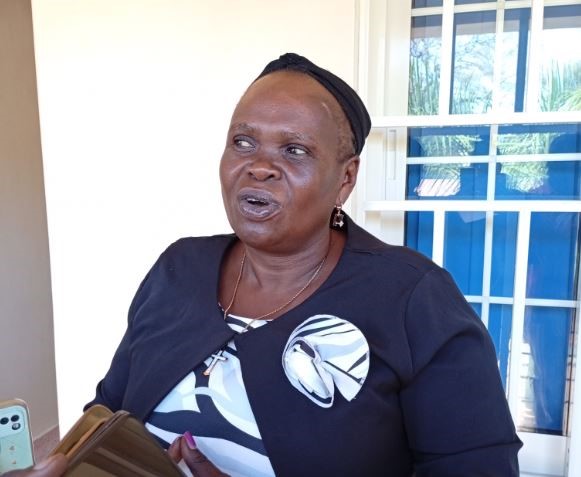
Speaking to the press during the dissemination of the CEDAW Concluding Observations Report in Juba, Undersecretary Esther Ikere Eluzai said that while consultations were conducted across all states and administrative areas, many women in counties and payams were not reached.
“One of the gaps we identified is that we have not reached women at the grassroots. There are women in the counties and payams who are not already covered, and that is one of the gaps we are reporting,” Esther said.
She noted that most traditional leaders who are key custodians of customary laws and practices affecting women were also not included in the discussions, despite their influence on local justice systems where many women face discrimination.
“We have not reached traditional leaders, and this is an area where injustices are common and women face barriers to accessing justice in traditional courts,” she stated.
The undersecretary revealed that the ministry is planning to prioritise grassroots consultations in the next four-year CEDAW implementation cycle, ensuring that women in rural communities are fully involved in shaping and monitoring women’s rights initiatives.
“In the next four years, if funds allow, we will go down more to the grassroots. We will give priority to consultations at the local level rather than just at the national level,” she affirmed.
The Undersecretary emphasised that South Sudan’s upcoming CEDAW report, which will be submitted to the United Nations Committee in Geneva later this month, reflects both the country’s achievements and the challenges faced in advancing women’s rights since ratifying the convention in 2015.
CEDAW, often described as the international bill of rights for women, requires member states to eliminate discrimination against women in all areas of life including social, political, economic, cultural and legal.