



By Chol D. Johnson
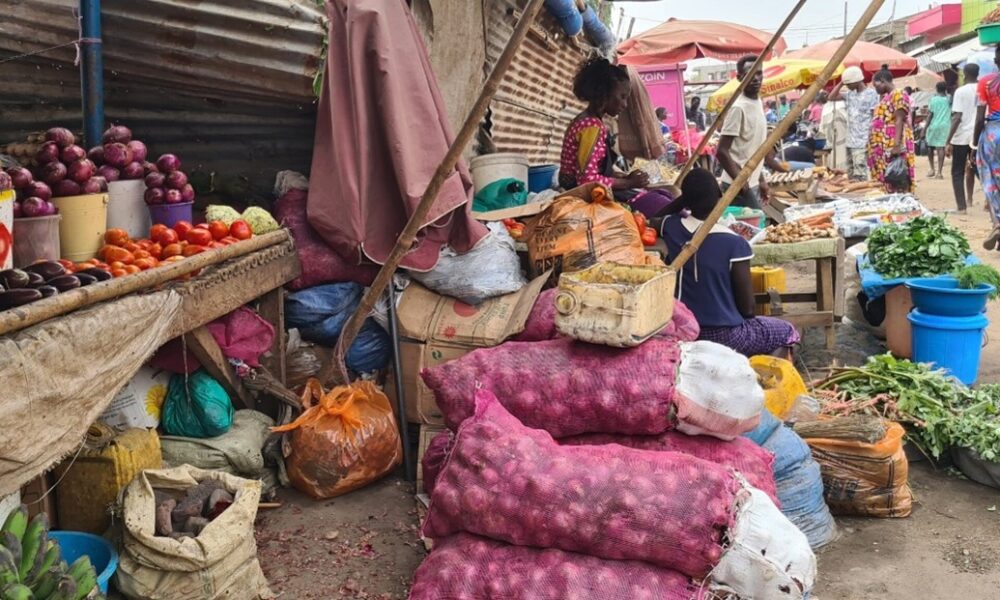
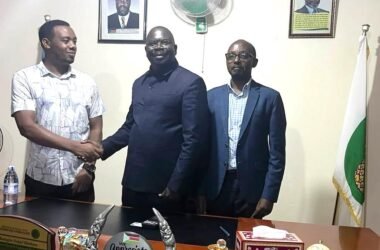
The Upper Nile State Minister of Information, Peter Ngwojo Akwiny, spoke to this outlet on Friday, confirming a significant increase in the price of food commodities in the local market.
“The citizens currently can’t afford food,” Akwiny stated, attributing the crisis to price hikes implemented by traders. He provided a startling example: a single piece of onion is selling for 5,000 SSP, a price that many families cannot sustain, especially given that one onion is insufficient for cooking.
The crisis extends beyond food; the price of fuel is also drastically high, with one litre costing 20,000 SSP, severely limiting movement for citizens across the state.
The dramatic rise in prices in Upper Nile State is a direct result of the overall economic situation in the country, compounded by several specific factors, Upper Nile State traditionally imported goods from Sudan. Since the outbreak of war there, the import of goods has been severely limited, leading to shortages.
The situation has been exacerbated by the high population of returnees from Sudan and Sudanese refugees seeking safety in Renk County, which borders Sudan, increasing the demand for already scarce resources.
The Minister noted that the implications of the dollar exchange rate within the state are driving up the cost of food items in the market.
With imports from Sudan restricted, the state’s current main source for goods is Ethiopia, utilizing water transport. However, the movement of goods is severely constrained:
A report from the Boat Union Association in South Sudan (BUA) highlights that the multiple checkpoints along the Nile River are limiting the transport of food to the state. Minister Akwiny clarified that these checkpoints are operated by individual groups, not government authorities, and number more than 80. These groups charge high, unauthorized taxes on the boats, which traders then pass on to consumers through increased commodity prices, leaving traders with little or no profit.
Prior to recent violence, traders imported goods from Ethiopia via the Sobat River, a route that took only three days. However, conflict in Nasir County has made this vital route impassable for traders.
The conflict that erupted in Nasir County has also affected the local population, many of whom have fled to Malakal for protection, further straining resources in the state capital.
Minister Ngwojo emphasized that the high number of people now living in Malakal are in dire need of food to “safe their families.” The most affected population are those residing in Internally Displaced Persons (IDP) camps, who are least able to afford or search for food under current market conditions.