



By Alan Clement
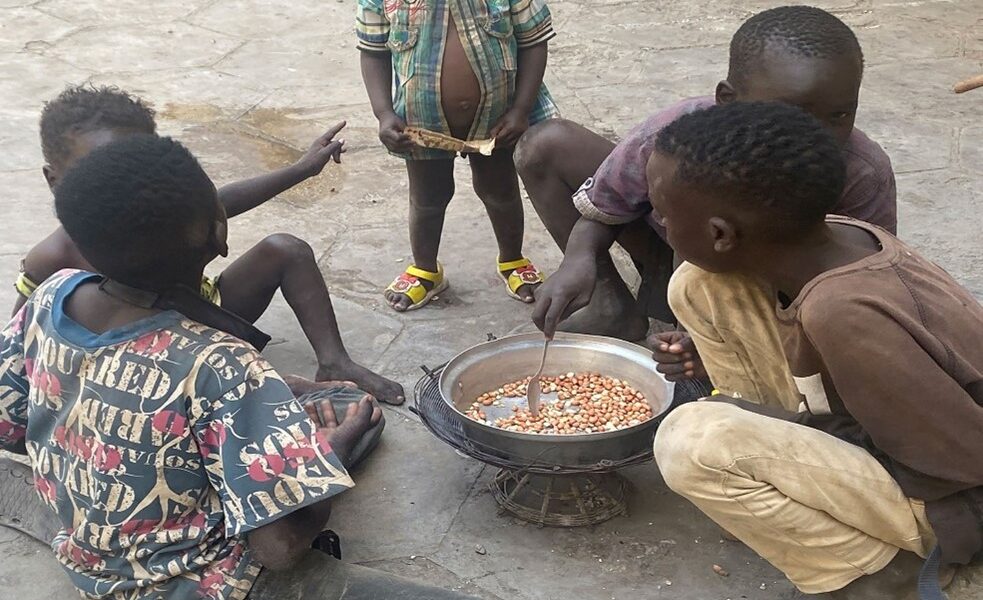
The Delegation of the European Union to South Sudan, together with the embassies of Germany, France and the Netherlands, has issued a stark warning over rising malnutrition and food insecurity, urging urgent action from authorities.
In a joint statement released last week, the EU cited the latest Integrated Food Security Phase Classification (IPC) analysis, which shows a worsening crisis driven primarily by conflict.
The communiqué described the levels of hunger as “grave” and pressed the transitional government and armed groups to restore security and open humanitarian access.
“Continued conflict is preventing lifesaving assistance from reaching vulnerable communities,” read the statement.
According to the statement, the ongoing violence in several regions remains “the main driver of this humanitarian crisis.”
It singled out Jonglei and Upper Nile as particularly severe hotspots, with recurring clashes causing extensive displacement and attacks on health facilities.
“Lifesaving humanitarian assistance has been unable to reach vulnerable communities for prolonged periods as insecurity and access restrictions continue to block aid delivery,” the statement warned.
The statement further noted that “access restrictions have repeatedly prevented aid from reaching its intended beneficiaries,” contributing to deteriorating nutrition levels among children and other at‑risk groups.
It also highlighted that “this year has seen a rise in security incidents affecting humanitarian personnel,” a trend the EU said is undermining the protection of both aid workers and essential humanitarian assets.
While acknowledging that some recent improvements in humanitarian access have been recorded, the EU stressed that these gains “must be expanded and sustained.”
It urged all parties to the peace agreement, including armed groups, to halt hostilities and immediately allow “safe and unimpeded humanitarian access” in accordance with international humanitarian law.
The statement emphasized that “the delivery of humanitarian assistance and protection services must be enabled wherever needs are identified,” and insisted that all actors adhere strictly to the principles of neutrality and impartiality.
South Sudan remains one of the world’s most food‑insecure countries, with conflict, displacement, economic shocks and climate‑related disasters such as floods and prolonged dry spells continuing to push millions into emergency levels of hunger.
IPC reports in recent years have consistently shown that large portions of the population face acute food insecurity, with some communities periodically teetering on the brink of famine.
Humanitarian organisations have also faced increasing challenges due to insecurity, bureaucratic impediments and shrinking access corridors.
Aid groups have repeatedly warned that without predictable access and sustained political stability, the country’s nutrition crisis will continue to deepen, especially in remote areas where people are already surviving with minimal food supplies.
With the latest EU statement, international partners are once again putting pressure on South Sudan’s leaders to stabilise the security situation, honour commitments under the peace agreement and ensure humanitarian workers can safely reach communities in need.