



By Kei Emmanuel Duku
The Metropolitan Archbishop of Juba, Stephen Cardinal Ameyu Martin Mulla, has issued a sharp Christmas ultimatum to South Sudan’s top leadership, demanding an end to the “tribal feuds” and “political stalemates” that have paralyzed the nation’s progress.
In his festive message issued yesterday, the Cardinal directly challenged the President, Vice Presidents, and all political parties to abandon power struggles and prioritize the suffering of ordinary citizens. He warned that the light of peace cannot shine while leaders remain locked in disputes that fuel economic ruin and communal violence.
“This Christmas, let Christ’s light pierce our tribal feuds, economic woes, and political stalemates,” Cardinal Mulla declared. Addressing the highest offices in the land, he called for a definitive end to the transition period: “I call our leaders President, Vice Presidents, and all parties to recommit to the Revitalized Peace Agreement.”
The Cardinal emphasized that the path to stability requires more than just signatures on paper; it demands the immediate acceleration of the permanent constitution-making process, a national census, and a transparent disarmament program to pave the way for credible elections.
The Archbishop linked the current insecurity in rural areas directly to the friction within the capital’s power-sharing government. He noted that while elites negotiate in Juba, civilians pay the price through displacement and hunger.
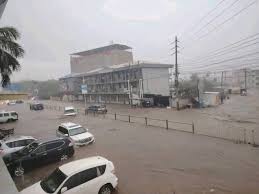
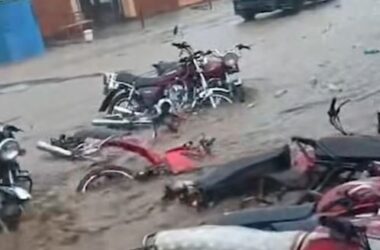
“Violence in many parts of the country relates to the power struggles currently going on within the ‘power sharing’ national government,” he observed, explaining that these rivalries have left rural areas insecure and food production crippled by a combination of conflict, flooding, and fear.
Beyond domestic politics, Cardinal Mulla highlighted the compounding crisis of the war in neighboring Sudan. He noted that the power struggle between rival generals in Khartoum has driven a massive influx of refugees across the border, further straining South Sudan’s “fragile resources” and deepening poverty.
Commenting on the country’s humanitarian disaster, the Cardinal urged the international community to sustain aid and maintain pressure for dialogue. He also issued a moral call to South Sudanese citizens to reject the path of violence that has turned schools to rubble and left hospitals as targets.
“I urge you: families and communities, open your doors to refugees from Sudan and displaced kin,” he said. Addressing the next generation specifically, he added: “Youth and leaders, shun violence; embrace non-violence… forging consensus through the Church’s mediation.”
The message concluded with a call for concrete action in the coming year, urging that the 2026 budgets prioritize the vulnerable and that parishes host peace dialogues to repair the nation’s “deep-eroded public trust.”
The Cardinal’s call for a recommitment to the Revitalized Agreement on the Resolution of the Conflict in South Sudan (R-ARCSS) comes at a critical juncture. Originally signed in 2018, the agreement has faced repeated extensions due to a failure to complete “critical pending tasks.”
Key among these hurdles is the unification of the armed forces, which remains incomplete, leaving a security vacuum in several states. Furthermore, the transition toward a permanent constitution and the conduct of a national census—both requirements for holding the country’s first post-independence elections—have seen significant delays.
The Archbishop’s mention of the “2026 budgets” and “transparent elections” reflects the growing anxiety that without a surge in political will, the current government may face another stalemate as the latest extended roadmap nears its end.
The conflict in Nasir County and broader Upper Nile regions, often fueled by these national power struggles, serves as a grim reminder of the urgency behind the Church’s demand for a “new page” of inclusive dialogue.