



By Kei Emmanuel Duku
The South Sudan Revenue Authority (SSRA) has raised the alarm over a massive leakage in national collections, revealing that unauthorized tax exemptions are siphoning off nearly half of the potential revenue at Juba International Airport (JIA).
Commissioner General William Anyuou Kuol disclosed that these imposed clearances by powerful individuals are paralyzing the country’s fiscal efforts, leading to a staggering 40% loss in customs revenue.
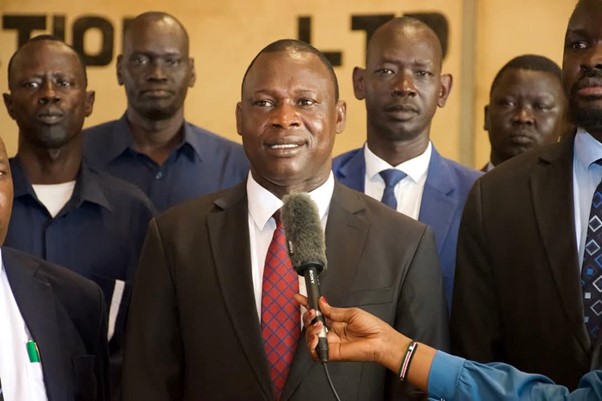
Speaking on the state broadcaster, SSBC TV, following an inspection visit to the anti-smuggling unit in Juba and the customs division at the airport, Anyuon painted a picture of a system under siege by individuals claiming the authority to grant tax-free clearances without legal backing.
Juba International Airport remains a critical hub for the nation’s economy, currently accounting for at least 30% of the total tax collected by the SSRA. However, the Commissioner General noted that while the airport is achieving significant results, the interference of unauthorized actors is undermining the authority’s ability to meet its full potential.
“One of the things that we are facing as challenges and one that is affecting our collection is the exemptions,” Anyuon stated. “The exemptions that we are getting from this airport are not authorized exemptions. They are exemptions that are being imposed by some individuals who think they have the power to get things for free.”
The Commissioner General emphasized that the current level of lost revenue represents 40% a significant portion of the collections that should be funding public services. He warned that the era of negotiating tax waivers in person is coming to an end.
To curb this trend and eliminate the influence of middlemen, the SSRA, in collaboration with the Ministry of Finance, has launched a digital exemption system. This new strategy is designed to improve transparency and ensure that only institutions legally entitled to waivers can access them.
“We have decided to make sure we put all the exemptions on digital,” Anyuon explained. “If you want your items to be exempted, we will first of all know which institution you are. If the digital system approves that the individuals are eligible, then they can get exempted through the digital systems without meeting any person to negotiate with.”
The Commissioner General further clarified to the public that no specific board or committee has been formed to handle these cases manually. Instead, the automated system will verify eligibility based on the law, effectively removing human discretion and potential corruption from the process.
Juba International Airport is the primary gateway for commercial imports into South Sudan, making its customs division a vital artery for the country’s non-oil revenue.
Historically, the SSRA has struggled with manual processing systems that are vulnerable to exploitation. The move to a digital platform follows broader government reforms aimed at diversifying the economy and strengthening the South Sudan Revenue Authority’s independence.
By centralizing exemptions through a digital portal, the government hopes to regain the 40% of lost revenue to address the ongoing economic challenges and budget deficits facing the nation.