



By Alan Clement
The Ministry of Health has received a major consignment of essential medicines from the World Health Organization, aimed at easing chronic shortages that have disrupted treatment in public health facilities across the country.
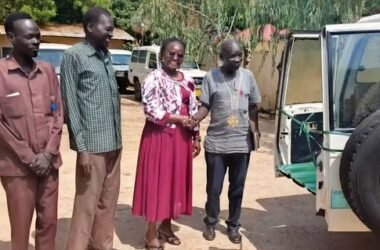
According to a statement from the Health Ministry, the supplies were officially received on Wednesday at the Juba Teaching Hospital stores by the Undersecretary of the Ministry of Health, Dr. Kennedy Gaaniko Baime.
This marks a significant intervention to support overstretched health services and improve access to life‑saving treatment for patients.
The delivery comes at a time when South Sudan’s public health system continues to grapple with persistent stockouts of essential medicines, limiting the ability of hospitals and primary health care centres to respond to common and preventable illnesses.
Malaria, acute respiratory infections and diarrhoeal diseases remain among the leading causes of outpatient consultations nationwide, placing sustained pressure on facility pharmacies.
According to the joint health sector reviews by WHO and MoH, availability of essential medicines in public facilities has frequently fallen below internationally recommended levels, with repeated shortages reported in both urban and rural areas.
These gaps have forced many patients to either purchase medicines from private vendors at high cost or go without treatment altogether.
Receiving the consignment, Dr. Kennedy said the supplies would help stabilize service delivery and ensure continuity of care. He described the support as a critical contribution toward maintaining functional health facilities and safeguarding public health, particularly for vulnerable populations.
The Ministry of Health expressed appreciation to WHO for its continued partnership, noting that the delivery aligns with ongoing efforts to strengthen the national pharmaceutical supply chain and reduce interruptions in essential health services.
South Sudan faces some of the most challenging health indicators in the region. WHO data show that the country has significantly fewer health workers and facilities per capita compared to regional averages, while the majority of the population relies on public and humanitarian-supported services.
Weak infrastructure, insecurity, flooding and logistical constraints continue to affect the timely distribution of medicines, especially to remote counties.
Malaria remains the single largest cause of illness and death, particularly among children under five and pregnant women.
WHO situation reports have repeatedly warned that shortages of antimalarial medicines during peak transmission seasons undermine disease control efforts and increase the risk of preventable deaths.
Other essential medicines for treating infections, maternal complications and non-communicable diseases are also frequently affected by supply disruptions.
The newly delivered medicines are expected to ease immediate shortages in public facilities, including primary health care centres that serve as the first point of contact for most communities.
Health officials note that improved availability of medicines will help restore confidence in public services and reduce the burden on referral hospitals.
The consignment forms part of broader collaboration between the Government of South Sudan and WHO to strengthen health system resilience.
Under national health and pharmaceutical strategies developed with WHO support, priority has been placed on improving procurement, forecasting, storage and distribution of medicines to ensure equitable access across all states.
WHO has consistently identified access to essential medicines as a cornerstone of universal health coverage in South Sudan, emphasizing that reliable drug availability is critical to reducing morbidity and mortality from preventable diseases.
WHO and other UN agencies have supported the Ministry of Health through emergency supplies, technical assistance and capacity building aimed at improving supply chain management.
Health authorities said the medicines will be dispatched through established distribution channels, with priority given to facilities facing the most severe shortages and areas with high disease burden.
The Ministry also reiterated its commitment to strengthening monitoring mechanisms to prevent future stockouts and ensure accountability in the use of public health supplies.
As South Sudan continues to face complex humanitarian and public health challenges, sustained support from partners such as WHO remains vital to keeping health facilities operational and ensuring that citizens can access essential, life-saving treatment when they need it most.