



By Alan Clement
Eight Diplomatic missions have condemned a reported directive in northern Jonglei State requiring humanitarian organizations to surrender their vehicles, warning that such actions threaten life-saving assistance and violate international humanitarian principles.
In a joint statement, the embassies of Canada, Germany, Japan, the Netherlands, Norway, Switzerland, the United Kingdom, and the United States described the reported order as a serious breach of humanitarian norms.
They stressed that assets provided by donor governments are intended solely to support civilians in need and should not be confiscated under any circumstances.
“No party or individual in South Sudan has the right to seize vehicles or equipment provided to deliver humanitarian aid,” the statement read, calling for the immediate reversal of the directive and the return of any assets already taken.
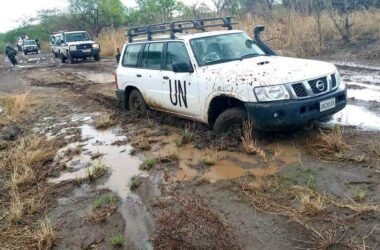
Humanitarian organizations operating in Jonglei rely heavily on vehicles to reach remote communities, many of which are cut off by poor infrastructure and seasonal flooding.
Aid officials warn that without reliable transport, the delivery of food, medicine, and other essential supplies could be severely disrupted, leaving vulnerable populations at greater risk.
The diplomatic condemnation reflects growing concern among international partners about interference in humanitarian operations.
Beyond logistical challenges, the reported directive raises safety concerns for aid workers. Vehicles are not only critical for transporting supplies but also for evacuating staff during emergencies.
Confiscation of these assets, humanitarian groups say, exposes personnel to heightened risks in volatile areas.
The embassies emphasized that humanitarian principles must be respected to ensure assistance reaches those most in need. They urged all actors in South Sudan to guarantee safe and unhindered access for aid organizations, warning that continued obstruction could jeopardize future support.
For communities in Jonglei already struggling with hunger, displacement, and recurring floods, the stakes remain high. Aid agencies caution that any disruption to their operations could have immediate and devastating consequences for thousands of civilians dependent on external assistance.