



By Kei Emmanuel Duku
In a blistering crackdown on corruption and “continued abuse,” the U.S. government has officially frozen foreign assistance to Ayod County and put Western Bahr el-Ghazal on a chopping block that could see massive funding cuts.
The decision, announced January 8, serves as a direct retaliation against South Sudanese officials who have allegedly chosen to take advantage of American taxpayers rather than partnering to save their own people. The move signals a pivot from diplomatic patience to aggressive financial consequences.
The Trump Administration made its position clear, asserting that the days of unchecked exploitation of humanitarian resources are over.
Today’s actions demonstrate U.S. resolve to forcefully respond when South Sudanese officials take advantage of the United States instead of working in partnership with us to help the South Sudanese people,” the U.S. government declared in a formal statement.
The statement further emphasized that the White House has adopted a zero-tolerance policy for theft and diversion of life-saving assistance.”
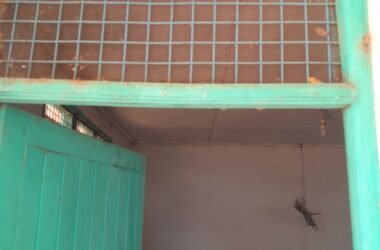
The catalyst for the current freeze in Jonglei State involves a high-stakes standoff in Ayod County. On January 2, the Ayod County Commissioner reportedly detained an aid worker who had the courage to refuse an illegal request to hand over assets from a U.S. foreign assistance partner.
The crisis is equally dire in Western Bahr el-Ghazal, where the State Minister of Health has been accused of sabotaging medical relief. Since last November, the Minister has reportedly blocked the transfer of vital pharmaceutical supplies between U.S. partners. Despite what Washington describes as “repeated requests to release the supplies, “transitional government officials have looked the other way.
Since 2011, the United States has extended support to the South Sudan government exceedingly more than $9.5 billion. Now, that pipeline is being throttled. Washington is demanding that Juba stop imposing illicit costs on those trying to help, echoing a December 11 warning from the Department of States Bureau of African Affairs regarding abuse, exploitation, and theft.
“We call on the transitional government to take immediate remedial steps, starting by holding accountable all South Sudanese officials who have interfered with or imposed illicit costs on U.S. foreign assistance,” the statement read.
As the review of Western Bahr el-Ghazal funding continues, the Trump’s message to the transitional government is undeniable: accountability is no longer a requestit is a requirement for survival.
This funding suspension comes at a time of extreme economic fragility in South Sudan. Historically, the U.S. has been the backbone of the countrys humanitarian response, funding most of the country’s critical sectors from food security to healthcare.
However, the relationship has soured as illicit costs unofficial taxes, bribes, and the seizure of NGO equipment have become a normalized part of doing business for local officials.
The detention of aid workers and the blocking of medicine are seen by international observers as the “final straw” for an administration in Washington that is increasingly skeptical of providing aid to regions where the rule of law has collapsed.