
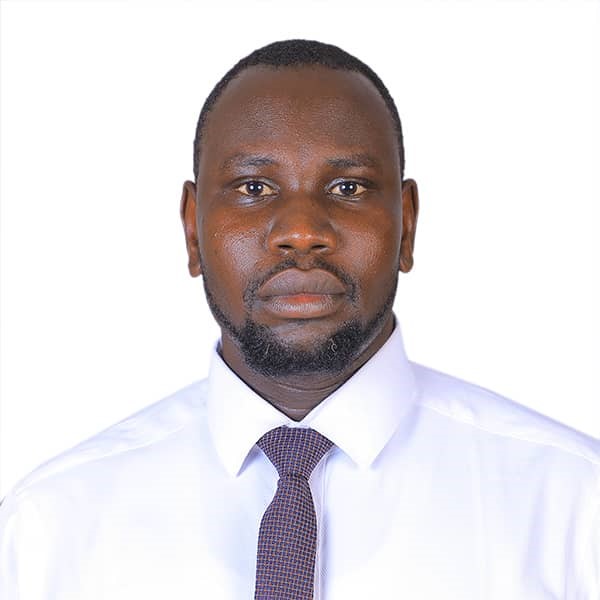

By Joseph Chol Dut
The future of South Sudan is untold and unpredictable, and it stands at critical crossroads with uncertainty, for many years now our young nation political and economical stability has been decided by few individuals and elites in expense of the common citizens.
However, the true strength of a sovereign state does not lie in the hands of a single leader or a small elite; it resides in the collective will of its people. South Sudan’s future is a shared responsibility, and realizing our potential requires a fundamental shift from individual interests to a unified national vision and every citizens responsibility.
A Call for Unity: The End of Tribalism
Survival as a nation depends on one inescapable truth: we must accept one another and unite, or we will perish together. Tribalism has acted as a poison, draining the energy of our youth and stalling our progress. To build a prosperous future, we must intentionally dismantle the barriers of ethnic conflict and redirect that energy toward development and innovation.
War offers no prizes; its only “rewards” are the destruction of life, the loss of property, and generations of agony. True pride should not come from the dominance of one tribe over another, but from the shared identity of being South Sudanese. We are one people, inhabiting one country, and our diversity should be our greatest asset rather than a source of division.
Resource Justice and the Fight Against Corruption
One of the primary engines fuelling conflict in our land is the unequal distribution of resources. Currently, a small group of individuals exploits the nation’s wealth through “fake contracts”—arrangements that exist only on paper while the reality on the ground remains one of poverty and lack of infrastructure.
This systematic looting has created a dangerous class divide, breeding deep-seated hatred and social disunity. When the many watch the few thrive on stolen wealth, the social contract is broken. To heal, we must ensure that the national cake is shared equitably. Transparency in how our oil and mineral wealth is managed is not just a policy preference; it is a requirement for peace.
Restoring Meritocracy and Accountability
In South Sudan today, meritocracy is often sidelined in Favor of personal connections and political influence. When appointments are based on “who you know” rather than “what you can do,” we end up with leaders who lack the respect of their communities. These individuals often resort to intimidation and bribery to push their agendas because they lack the moral authority to lead through inspiration.
This goes hand-in-hand with the lack of accountability that has eroded public trust. Some politicians act as though they own the country, committing crimes and walking away without question. Being appointed to a government position should be a call to serve, not a “gateway key” to the national treasury. For South Sudan to flourish, the rule of law must be supreme: no one should be above the law, and every official must be answerable to the people.
Empowering a Professional Defense Force
A nation’s sovereignty is protected by its military, but that military must be professional, well-trained, and focused on national threats rather than internal strife. We must empower our army and National Security services with:
- Modern Technology and Intelligence: Shifting from brute force to data-driven security.
- Better Training: Moving toward a professional force that understands its role in a democracy.
- Welfare and Healthcare: Ensuring that those who protect us have good health facilities and that their families are cared for.
A soldier who is well-fed, respected, and professionally trained is a guardian of the people, not a threat to them. We must invest in our own forces to protect our borders and our peace, ensuring they have the equipment and the dignity they deserve.
The Path Forward: Democracy and Pride
The cost of war is destruction; the cost of peace is simply the willingness to coexist. We must embrace inclusion as our guiding principle. This means practicing genuine democracy, upholding the rule of law, and putting the country above personal or party ambitions.
Let us stop these “unreasonable wars of destruction” and begin the hard work of building schools, hospitals, and roads. When we choose unity over tribalism, merit over connections, and accountability over corruption, we give ourselves the right to be proud. We are South Sudanese one people, one country, with one shared and bright future.
Mr. Joseph Chol Dut -Master’s Student from the University -School of Public Service