
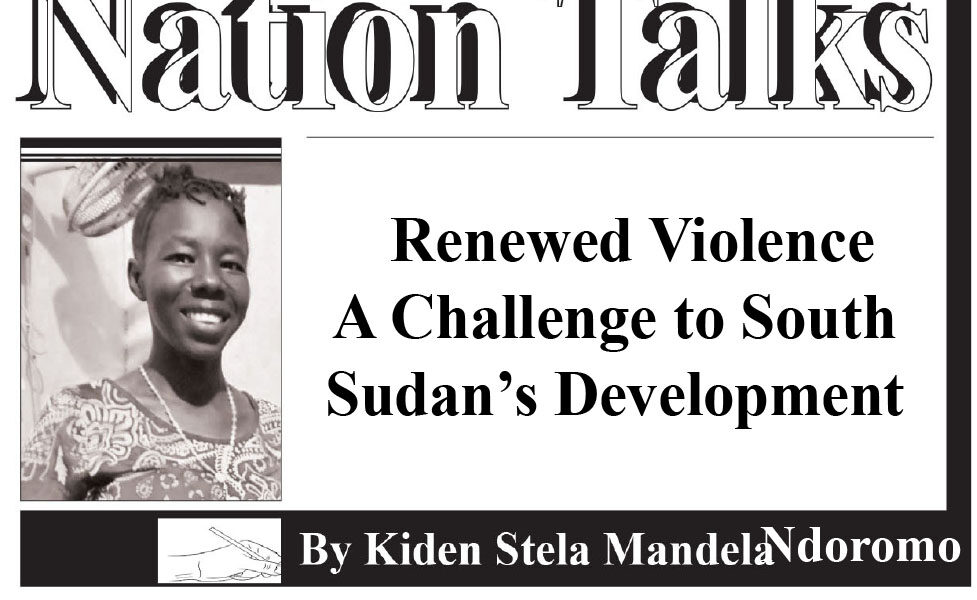


Renewed violence has been one of the greatest challenges facing South Sudan since its independence in 2011. Despite the country’s rich cultural diversity and abundant natural resources, repeated cycles of conflict have caused immense suffering for ordinary citizens. Today, it is essential to speak honestly about the causes of this violence, its devastating effects, and the collective responsibility we share to build a lasting peace.
It is well known that political power struggles, weak institutions, competition over resources, and unresolved ethnic tensions have all contributed to instability. When political disagreements devolve into armed conflict, communities are often divided along ethnic lines, and deep-seated mistrust grows. Additionally, localized disputes over cattle, land, or leadership can easily escalate into deadly clashes due to the widespread availability of weapons and the absence of an effective rule of law.
The impact of this violence has been devastating. Thousands of lives have been lost, and countless individuals have been left injured and deeply traumatized. Families have been displaced from their homes, forced to seek safety in internal displacement camps or neighbouring countries.
Beyond the human toll, conflict has crippled the economy, destroyed vital infrastructure, and discouraged investment, which in turn worsens poverty and unemployment. Perhaps most damaging is the erosion of trust between communities; when violence becomes normalized, young people may grow up believing that conflict is the only way to resolve disagreements. This mindset threatens the very future of the nation, as peace cannot be built on a foundation of fear and revenge.
Ending violence in South Sudan requires a committed effort from every level of society, The Government Must uphold the rule of law, protect all citizens, and ensure that peace agreements are fully implemented. Leaders must prioritize national interests over personal or ethnic ambitions.
Traditional leaders, elders, women, and youth play a vital role in promoting dialogue and reconciliation. Cultural values that emphasize respect, forgiveness, and unity must be revitalized, Civil Society Churches, mosques, and community organizations are essential in healing trauma and teaching non-violent conflict resolution.
The Youth As the majority of the population, young people are the architects of the future. Instead of being used as tools of violence, they must be empowered through education, vocational training, and job opportunities.
Violence in South Sudan is not inevitable; it is a human-made problem that can be solved through collective effort, honest leadership, and a shared vision. South Sudanese citizens must choose dialogue over guns, unity over division, and justice over revenge. Only then can the country move toward the stability and dignity its people deserve.