


By Alan Clement
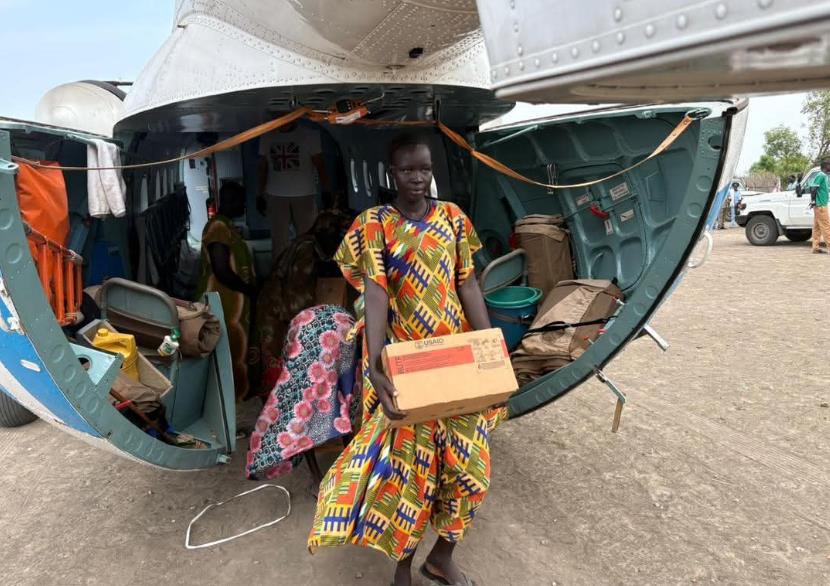
Life-saving medical supplies, including emergency health kits, anti-malarial drugs and therapeutic food, have arrived in Akobo County after weeks of delays, targeting disease and malnutrition risks in eastern Jonglei.
The delivery marks the first humanitarian flight to land in Akobo in nearly a month, restoring a critical supply line to one of South Sudan’s most remote and vulnerable counties, where preventable diseases and child malnutrition remain persistent threats.
According to a Ministry of Health statement, the consignment included an Interagency Emergency Health Kit (IEHK) capable of serving up to 10,000 people for three months, essential medicines such as anti-malarial drugs, and 160 cartons of Ready-to-Use Therapeutic Food (RUTF) intended for children suffering from severe acute malnutrition.
The supplies were delivered by UNICEF alongside other United Nations partners in support of government-led health and nutrition interventions, including the Health Sector Transformation Project (HSTP), which seeks to expand access to essential health services nationwide.
Akobo County, located in eastern Jonglei State near the South Sudan–Ethiopia border, has long faced structural barriers to healthcare delivery due to poor road networks, seasonal flooding and insecurity.
These challenges are often compounded when air operations are disrupted, leaving health facilities without medicines and communities exposed to outbreaks of preventable illnesses.
Health workers in Jonglei have repeatedly warned that even short interruptions in medical supply chains can have serious consequences, particularly during peak malaria seasons and periods of heightened food insecurity.
Malaria remains one of the leading causes of illness and death in the state, while malnutrition continues to drive child mortality, especially in hard-to-reach areas.
The inclusion of RUTF in the latest delivery is aimed at sustaining the treatment of children diagnosed with severe acute malnutrition, a condition that requires uninterrupted therapeutic feeding to prevent complications and death.
Nutrition partners say delays in RUTF deliveries often force facilities to turn children away or reduce rations, undermining recovery efforts.
Humanitarian officials described the landing as a critical step in stabilising frontline health services in Akobo and surrounding areas, where health facilities rely almost entirely on externally supported supply chains.
Many primary healthcare centres in Jonglei operate with limited staffing and minimal storage capacity, making regular resupply essential.
Beyond Akobo, the delivery also highlights broader humanitarian access challenges across South Sudan, where aid operations remain vulnerable to logistical constraints, funding shortfalls and administrative bottlenecks.
Eastern Jonglei has been among the areas most affected by flight disruptions, cutting off communities that cannot be reached by road for much of the year.
The Health Sector Transformation Project, supported by development partners, aims to strengthen health systems by improving service delivery, financing and governance.
While policy reforms are underway at the national level, health experts note that tangible improvements depend on whether supplies, staff and services consistently reach remote counties like Akobo.
Humanitarian partners emphasised that continued coordination between the government, UN agencies and operational partners is necessary to prevent future interruptions and ensure that vulnerable populations are not left without care during critical periods.
As South Sudan continues to grapple with overlapping health, nutrition and humanitarian challenges, the arrival of medical supplies in Akobo offers temporary relief but also underscores the ongoing risks faced by communities when access is disrupted, even briefly, in some of the country’s most fragile regions.