

By Kei Emmanuel Duku
The South Sudan Revenue Authority (SSRA) has launched a sweeping crackdown on tax waivers, ordering its officials to immediately halt all non-humanitarian exemptions at the Port of Mombasa.
The directive marks a significant shift in the country’s economic policy as the government moves to recover millions in lost revenue. The order was delivered on Tuesday by SSRA Commissioner General, Hon. William Anyuon Kuol, during a high-level operational assessment in Mombasa. Accompanied by Customs Commissioner Akech Tong and a delegation of senior advisors, Anyuon told staff that the era of easy exemptions is over. “In case of any exemption that has come from last Friday up to today, you must cancel it and ensure taxes are paid. There are no more exemptions,” the Commissioner General declared. “Any exemptions already on your table should be treated as cancelled.”
This decision follows the “Memo on Fiscal Discipline and Economic Recovery” recently presented by Finance Minister Dr. Bak Barnaba Chol and approved by the Council of Ministers under the chairmanship of President Salva Kiir Mayardit.
Anyuon emphasized that the move is a critical part of safeguarding national funds in line with ongoing reforms. “The directive is clear: unless you are delivering life-saving aid, the bill must be paid,” an agency spokesperson added. “We are moving from a culture of waivers to a culture of accountability.”
However, the government is maintaining a narrow window for essential aid. Commissioner General Anyuon clarified that the only legally recognized tax breaks currently apply to humanitarian organizations, including UN agencies and both international and local NGOs. Even these remain under intense scrutiny. “You need to verify whether the goods being imported match what the government has exempted,” Anyuon warned port officials. “The contents of the containers must correspond with the approved exemptions.”
The shift was welcomed by Bulis Maker, the Assistant Commissioner in charge of Mombasa operations, who noted that widespread tax waivers have long drained the national treasury. “As a government, we lose a lot through exemptions,” Maker stated while addressing the staff. “This is government policy, and as implementers and regulators, we must enforce what the government has decided. Exemptions not meant for humanitarian purposes should come to an end.”
By closing these loopholes at the Port of Mombasa, the government hopes to generate the necessary funds to support critical public programs. As one official put it, “Mombasa is the gateway to our economy, and today, we have placed a lock on the door to revenue leakage.”
The Port of Mombasa in Kenya serves as the primary maritime gateway for almost all cargo destined for South Sudan. As a landlocked nation, South Sudan relies heavily on this corridor for the import of fuel, food, and medicine.
Historically, the “exemption” system has been a major source of revenue leakage, with critics arguing that commercial imports were often improperly classified to avoid taxes. By enforcing the new “Fiscal Discipline” memo directly at the port, the SSRA aims to capture revenue at the source before goods begin the transit to Juba.
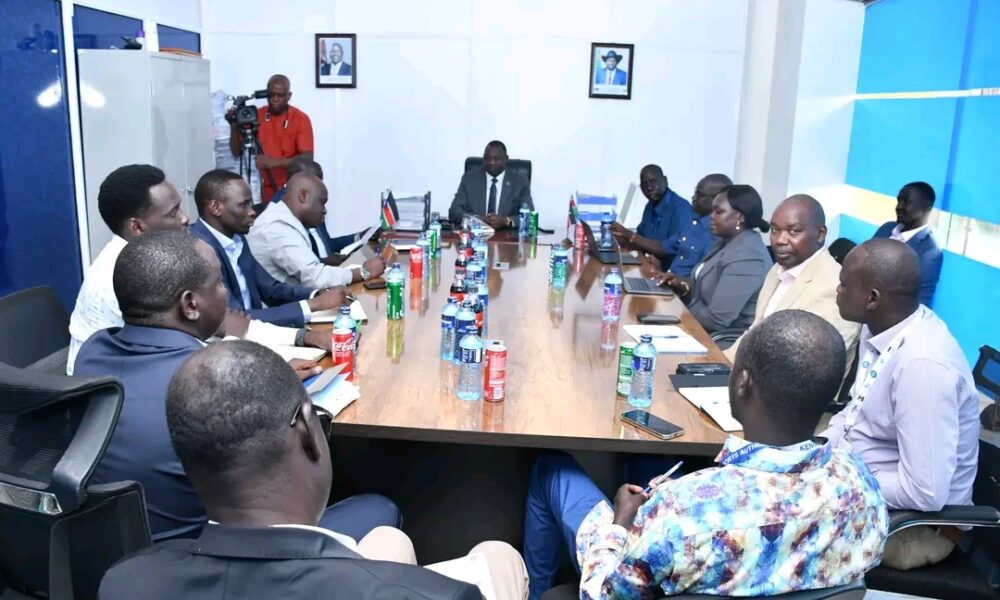
Revenue Authority orders end to non-humanitarian tax breaks at Mombasa port Officials from the South Sudan Revenue Authority (SSRA) hold an operational meeting at the Port of Mombasa, Kenya. The high-level delegation gathered to discuss new directives on fiscal discipline and revenue mobilization. (Photo: SSRA Media Unit) By Kei Emmanuel Duku The South Sudan Revenue Authority (SSRA) has launched a sweeping crackdown on tax waivers, ordering its officials to immediately halt all non-humanitarian exemptions at the Port of Mombasa. The directive marks a significant shift in the country’s economic policy as the government moves to recover millions in lost revenue. The order was delivered on Tuesday by SSRA Commissioner General, Hon. William Anyuon Kuol, during a high-level operational assessment in Mombasa. Accompanied by Customs Commissioner Akech Tong and a delegation of senior advisors, Anyuon told staff that the era of easy exemptions is over. “In case of any exemption that has come from last Friday up to today, you must cancel it and ensure taxes are paid. There are no more exemptions,” the Commissioner General declared. “Any exemptions already on your table should be treated as cancelled.” This decision follows the “Memo on Fiscal Discipline and Economic Recovery” recently presented by Finance Minister Dr. Bak Barnaba Chol and approved by the Council of Ministers under the chairmanship of President Salva Kiir Mayardit. Anyuon emphasized that the move is a critical part of safeguarding national funds in line with ongoing reforms. “The directive is clear: unless you are delivering life-saving aid, the bill must be paid,” an agency spokesperson added. “We are moving from a culture of waivers to a culture of accountability.” However, the government is maintaining a narrow window for essential aid. Commissioner General Anyuon clarified that the only legally recognized tax breaks currently apply to humanitarian organizations, including UN agencies and both international and local NGOs. Even these remain under intense scrutiny. “You need to verify whether the goods being imported match what the government has exempted,” Anyuon warned port officials. “The contents of the containers must correspond with the approved exemptions.” The shift was welcomed by Bulis Maker, the Assistant Commissioner in charge of Mombasa operations, who noted that widespread tax waivers have long drained the national treasury. “As a government, we lose a lot through exemptions,” Maker stated while addressing the staff. “This is government policy, and as implementers and regulators, we must enforce what the government has decided. Exemptions not meant for humanitarian purposes should come to an end.” By closing these loopholes at the Port of Mombasa, the government hopes to generate the necessary funds to support critical public programs. As one official put it, “Mombasa is the gateway to our economy, and today, we have placed a lock on the door to revenue leakage.” The Port of Mombasa in Kenya serves as the primary maritime gateway for almost all cargo destined for South Sudan. As a landlocked nation, South Sudan relies heavily on this corridor for the import of fuel, food, and medicine. Historically, the “exemption” system has been a major source of revenue leakage, with critics arguing that commercial imports were often improperly classified to avoid taxes. By enforcing the new “Fiscal Discipline” memo directly at the port, the SSRA aims to capture revenue at the source before goods begin the transit to Juba.
More in Finance:
-
 Bank of South Sudan bans forex deals with unauthorised dealers
September 22, 2026
Bank of South Sudan bans forex deals with unauthorised dealers
September 22, 2026
-
 Business Council calls on South Sudanese to grab regional business opportunities
September 19, 2026
Business Council calls on South Sudanese to grab regional business opportunities
September 19, 2026
- EDITORIAL: Government should strengthen efforts to normalise fuel prices September 17, 2026