

By Kei Emmanuel Duku
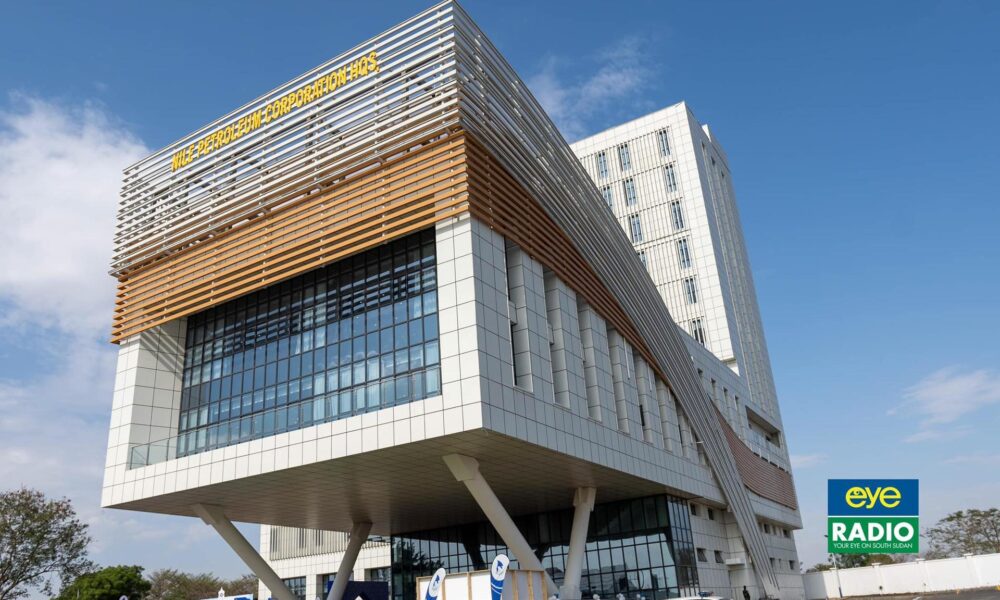
South Sudan’s national oil corporation, Nilepet, has become a financial ghost within the country’s economy, operating without transparency and failing to transfer its earnings to the national budget.
A landmark World Bank Group report released in late January 2026, titled “A Narrow Path to Recovery: The Key Role of Restoring Public Finances South Sudan: Public Finance Review,” reveals that the state-owned firm has never published financial statements or undergone an independent audit.
As the government’s commercial arm in the oil sector, Nilepet operates under the Office of the President, managing upstream, midstream, and downstream activities.
However, the World Bank notes that unlike other national oil companies that provide regular updates, “Nilepet’s website contains no annual or audit reports.” This lack of oversight was further entrenched by the 2019 National Petroleum and Gas Corporation Act, which increased the Office of the President’s control while eliminating requirements for public disclosure.
The financial implications of this secrecy are stark. Although Nilepet receives revenue on behalf of the government through its equity in oil operations, the World Bank finds that the company “does not seem to have transferred these funds to any account linked to the national budget.”
The World Bank Group in its report noted that pervious data published by the United Nations Security Council (UNSC) Panel of Experts, states that Nilepet earned at least $400 million between June 2013 and May 2019 and this money has never been accounted for.
Furthermore, the panel of expert report noted that it had documented “credible evidence that some of this revenue has been diverted to security and other government agencies.”
This mismanagement extends to the company’s operational obligations, creating a ripple effect that threatens the entire oil sector.
According to the World Bank Group, Nilepet has reportedly failed to pay its share of joint operating costs in all three Joint Oil Operating companies: the Dar Petroleum Operating Company (DPOC), the Greater Pioneer Operating Company (GPOC), and the Sudd Petroleum Operating Company (SPOC).
The Bank warns that such failures deter investment, thereby potentially reducing oil production, a pattern consistent with global trends where underfunding leads to falling output.
As the mismanagement of oil revenue continues, the bank noted that the climate for investors worsened in August 2024 when Nilepet assumed control of Petronas’s assets after the government blocked a sale to a UK firm. Petronas, which had assets valued at $1.25 billion, withdrew due to poor returns on investment. Following the takeover, Nilepet partnered with entities lacking both technical experience and capital, a move the World Bank suggests reveals limited interest from reputable international investors.
The fallout has now moved to the international courts. Petronas has filed for arbitration with the International Center for the Settlement of Investment Disputes (ICSID), citing violations of the Investment Promotion Act and alleging expropriation. These legal disputes, combined with the fact that DPOC’s main contract is set to expire in 2027, “underscore the increasing risks to investors and the uncertain outlook for South Sudan’s oil sector.”
The World Bank concludes that while the law mandates the Auditor General to audit Nilepet and requires the board to submit budgets to the National Legislative Assembly, “there is no evidence that Nilepet’s board has done so,” leaving the country’s primary source of wealth shielded from public view.
By press time the management of this publication could not reached the management NilePet petroleum company and the office of the president for comment regarding the World Bank Group Report on how it managing the country’s natural resources.