



By Kei Emmanuel Duku
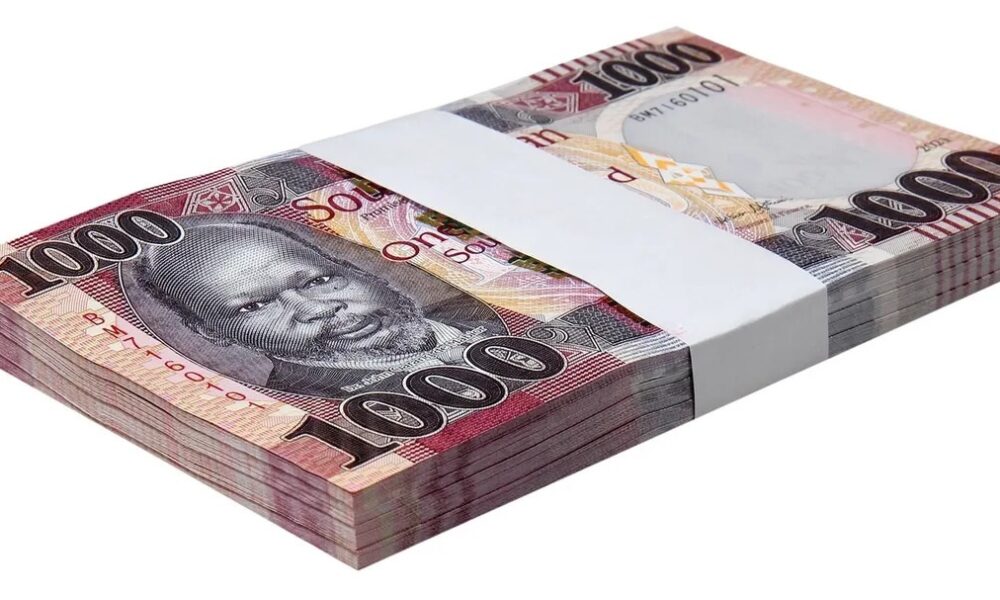
South Sudan’s economy has been pushed into a state of debt distress and unsustainability as a lack of fiscal discipline, accommodated by the monetary and financial sectors, triggers a collapse of the national currency.
A new World Bank Group report, titled “A Narrow Path to Recovery: The Key Role of Restoring Public Finances South Sudan: Public Finance Review,” reveals that persistent macroeconomic mismanagement has left the country grappling with triple-digit inflation and a banking sector dominated by government credit.
According to the World Bank, the roots of the current crisis lie in a surge of lending to the state. “In the 12 months preceding the Dar Blend pipeline shutdown, credit from the central and commercial banks to the government surged by 70 percent, fueling a parallel expansion in the money supply,” the report states. This rapid expansion caused the South Sudanese Pound (SSP) to depreciate by 69 percent on the parallel market and 48 percent on the official market.
The economic decline intensified in the 2025 fiscal year. The World Bank notes that central and commercial bank financing of the budget drove an annual average inflation rate of 183 percent, alongside an “extreme currency depreciation” of 189 percent year-on-year by June 2025. By the end of July 2025, banking-sector credit to the government exceeded 70 percent of GDP.
These economic pressures are compounded by a high degree of dollarization, which the World Bank argues “severely constrains the central bank’s ability to influence domestic demand, manage liquidity, and guide asset allocation.”
The bank noted that approximately in South Sudan, 90 percent of deposits are transferable, primarily from the oil sector and international NGOs, with 80 percent held in foreign exchange. With nominal deposit rates near zero and inflation soaring, the report finds “there is no incentive to hold local currency deposits beyond what is needed for transactions.”
It noted that the nation’s reliance on imports for essential goods, including food, fuel, and medicine, has left it vulnerable to foreign exchange (FX) shortages. As of June 2025, FX reserves stood at just $27 million. The World Bank observes that “recurrent attempts by the central bank to support the currency have proven ineffective due to fiscal dominance, lack of reserves, high levels of dollarization, and insufficient incentives for holding local currency assets.”
The report also stated that public debt has now reached critical levels where it is standing at $3.5 billion or 100 percent of GDP as of end-FY25. This includes $772.1 million in newly disclosed loans to domestic banks. However, transparency remains a significant hurdle.
The report highlights that the Debt Management Department (DMD) “lacks access to critical information including loan agreements held by the Ministry of Petroleum and the Office of the President.” This lack of internal data sharing hinders effective debt surveillance and compliance with international reporting standards.
Additionally, the banking sector’s financing has consistently exceeded the government’s reported gross financing requirement, which the World Bank says is “raising concerns about the accuracy of published fiscal data.”
To arrest the decline, the World Bank recommends that the government phase out monetary financing of the fiscal deficit and unify official and parallel exchange rates. It further added that “without tackling core structural imbalances and restoring confidence in the local currency, the parallel market premium is expected to persist.”