




By Alan Clement
The Ministry of Water Resources and Irrigation (MWRI) has advanced plans for a landmark multipurpose water project along the Kineti River, aiming to address escalating floods, prolonged dry spells, and climate pressures.
The move follows a field mission to Torit under the Regional Climate Resilience Program for Eastern and Southern Africa (RCRP), where national and state officials convened a Consultation and Validation Workshop to review the project’s feasibility study.
The engagement brought together national and state authorities, Members of Parliament, civil society, and community leaders to review technical findings, address local concerns, and build consensus before the Kineti project advances.
According to the ministry, the purpose of the mission was to ensure that technical findings contained in the feasibility study were scrutinized, community concerns addressed, and consensus built on the way forward before the project proceeds to subsequent stages.
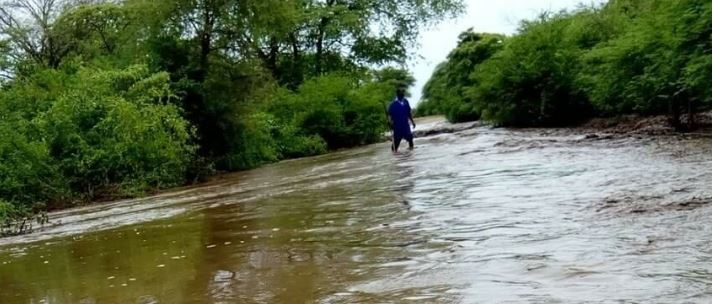
The Kineti River remains a critical water source for Torit and surrounding communities, supporting smallholder farming, livestock production and domestic water supply. However, shifting rainfall patterns have increasingly disrupted its seasonal stability.
Recurrent floods have damaged farmland and settlements, while extended dry spells have reduced water availability for agriculture and pastoral livelihoods, compounding vulnerability in a region heavily dependent on natural rainfall cycles.
The ministry stressed that the proposed multipurpose dam is designed to regulate river flow, mitigate flood risks and store water during peak rainfall periods for use in dry seasons. By stabilizing water supply, the project is expected to strengthen long-term climate resilience in Eastern Equatoria, where communities have repeatedly faced weather-related shocks.
The ministry further noted that climate variability is undermining rural livelihoods. By expanding irrigation and securing reliable water access, the Kineti project seeks to boost food security, protect incomes, and reduce vulnerability to climate shocks.
At the validation workshop, the ministry outlined plans to extend infrastructure beyond water storage, structuring the project as a multipurpose initiative to supply households and livestock, boost irrigation, reduce flood risks, and explore hydropower generation.
It emphasized that integrating these functions within one framework is designed to maximize economic and social benefits while safeguarding the environment. If implemented, the dam could support expanded dry-season farming, reduce crop losses linked to erratic rainfall, and provide more stable water access for pastoral communities.
The hydropower component, which remains subject to further technical confirmation, could contribute to localized energy access in Torit and surrounding areas, where electricity supply remains limited and costly.
The feasibility study validation process represents a critical procedural step in infrastructure development. During the workshop, technical assessments covering hydrology, engineering design options, environmental and social impact considerations, and projected economic benefits were reviewed by stakeholders.
The water ministry emphasized that validation does not signal immediate construction but reflects alignment between technical recommendations and stakeholder input before moving into the next phase.
During the workshop, community representatives raised concerns over land use, displacement, compensation, and environmental safeguards, which the ministry pledged to integrate into planning to ensure accountability and compliance with national standards.
Lawmakers’ presence highlighted the need for oversight and transparency, while officials stressed that sustainable development depends on participation, coordination, and strict adherence to safeguards.
Beyond Eastern Equatoria, the Kineti Multipurpose Water Resources Development Project aligns with broader national efforts to strengthen water security and climate adaptation across South Sudan.
The country has faced recurring flood emergencies in recent years, with extensive displacement, crop destruction and infrastructure damage reported in multiple states. At the same time, extended dry spells in other regions have intensified food insecurity and strained pastoral systems.
MWRI officials noted that investments under the RCRP framework are designed to build resilience at both national and regional levels by strengthening water resource management systems in response to climate change.
By positioning the Kineti River as a strategic development corridor, the government is signaling a shift toward integrated water resource management that links infrastructure development, agricultural productivity, energy access and climate adaptation policy.
The ministry stated that the workshop concluded with a shared commitment to proceed responsibly and transparently. Next steps include refining designs, securing financing, conducting environmental and social assessments, and completing statutory approvals before groundbreaking.
Despite no definitive construction timeline being mentioned, officials indicated that progress will depend on final approvals, funding mobilization, and compliance with environmental and regulatory requirements.
For Torit and its surrounding communities, the proposed project represents a potentially transformative intervention. Reliable water storage could stabilize agricultural output, reduce flood-related losses and expand economic opportunities in a region long shaped by climate uncertainty.
At the national level, the initiative reflects growing recognition that effective water management sits at the core of South Sudan’s development agenda. If realized, the Kineti River project could become one of the country’s most significant climate resilience investments in Eastern Equatoria.