


By Alan Clement
Central Bank Governor Johnny Ohisa Damian has on Wednesday defended South Sudan’s monetary policy before lawmakers, amid rising concerns over liquidity shortages disrupting commercial banks and the wider economy.
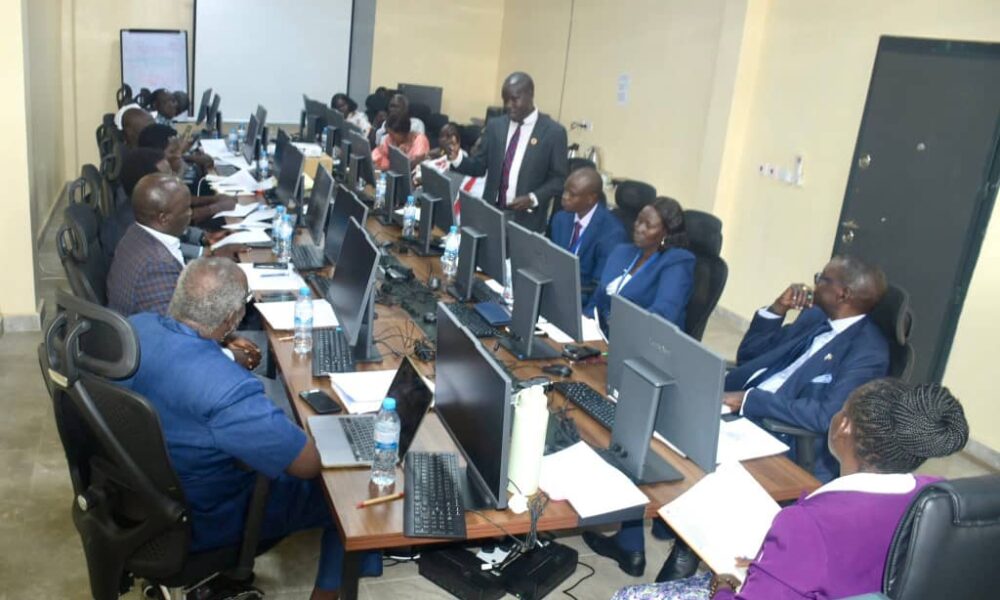
In a Bank of South Sudan statement, Governor Ohisa appeared before the Finance and Planning Committee of the Transitional National Legislative Assembly, responding to lawmakers’ questions on cash availability, banking operations, and stabilization measures.
The appearance comes at a time when businesses and individuals across the country continue to report difficulties accessing cash from commercial banks, underscoring mounting pressure on the central bank to restore confidence in the financial system.
Governor Ohisa told the committee that the central bank is implementing what he described as “prudent and strategic monetary policy reforms” aimed at addressing the liquidity crunch while safeguarding macroeconomic stability.
He emphasized that the liquidity challenges are being tackled through structured interventions designed to strengthen oversight of banking operations, enhance monetary discipline, and prevent systemic risks within the sector.
“The central bank remains committed to stabilizing the banking sector and ensuring that monetary policy instruments are deployed responsibly to manage liquidity conditions,” Ohisa told lawmakers during the session.
Members of the finance committee raised concerns about the operational capacity of commercial banks, the availability of physical currency in the market, and the broader implications of prolonged liquidity constraints on trade and household consumption.
South Sudan’s banking sector has faced repeated strain in recent years, driven by structural weaknesses in domestic production, heavy reliance on imports, and exposure to fluctuations in oil revenues; the country’s primary source of foreign exchange earnings.
These vulnerabilities have periodically translated into currency volatility and constrained liquidity within the financial system.
Governor Ohisa outlined a comprehensive reform agenda before lawmakers, pledging tighter supervision of commercial banks, stronger coordination with fiscal authorities, and legislative support to close regulatory gaps undermining the central bank’s mandate.
South Sudan’s liquidity shortages are often linked to broader structural economic constraints, including limited domestic production and high import dependency. When foreign exchange inflows decline, pressure mounts on the local currency, constraining the ability of banks to meet cash demand.
Governor Ohisa reiterated before the committee that long-term monetary stability cannot be achieved solely through central bank interventions. He stressed the importance of revitalizing agriculture and investing in productive sectors to expand domestic output and reduce reliance on imports.
Expanding local production, he argued, would help ease demand for foreign currency, support exchange rate stability, create employment opportunities, and build economic resilience.
The governor also used the forum to explain the central bank’s statutory mandate, highlighting operational and structural challenges that, he said, require policy alignment across government institutions.
He reaffirmed the central bank’s readiness to collaborate with the legislature and other arms of government to implement sound monetary policies designed to promote inclusive growth and long-term economic stability.
The committee is expected to continue engaging the central bank as part of its oversight role, with lawmakers signaling that sustained dialogue will be necessary to monitor progress on liquidity reforms.
The briefing underscores growing parliamentary attention to monetary governance at a time when economic stabilization remains central to public confidence and national recovery efforts.