

By Alan Clement
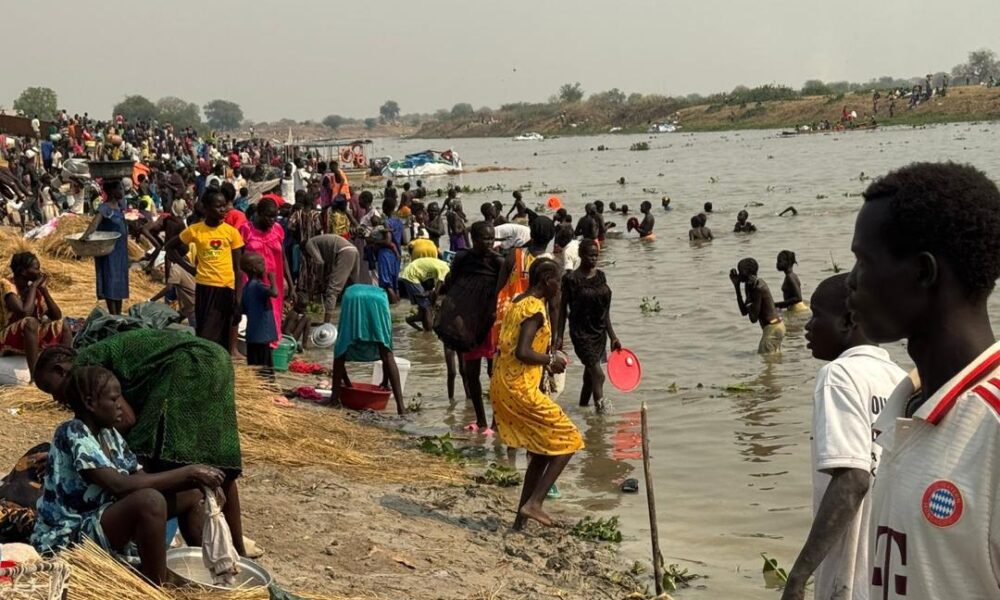
Climate shocks and fragile governance are intensifying South Sudan’s water crisis, leaving women and girls to shoulder the heaviest burden, the United Nations warned on World Water Day.
Marking the occasion under the theme “Where water flows, equality grows”, the United Nations said the global water crisis affects everyone but not equally.
“The water crisis is a women’s crisis. Women and girls collect water, manage water, and care for those made sick by unsafe water. Yet too often, they are excluded from the systems that govern water.” UN report partly read.
According to the UN’s 2026 World Water Development Report, 2.1 billion people worldwide still lack safely managed drinking water, while 3.4 billion lack sanitation services. In South Sudan, where climate variability and weak infrastructure collide, the impact is severe.
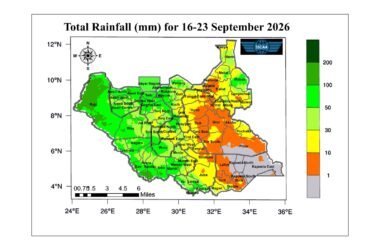
Erratic rainfall, prolonged droughts, and flooding in the Sudd wetlands have disrupted access to clean water, while governance gaps leave communities without protection or alternatives.
UNESCO emphasized that the burden falls disproportionately on women and girls.
“They lose time, health, safety and opportunities. Girls are missing school because they are sent to fetch water. Mothers are caring for children sick from contaminated sources. And women are left out of decision-making, leadership, funding and representation” the statement continued.
The report also highlighted that in Sub-Saharan Africa, achieving water and sanitation goals requires $64 billion annually, but current investments fall far short.
“Without adequate funding, countries like South Sudan will not meet the 2030 targets for safe water and sanitation. This is a governance issue as much as a climate issue,” the UN noted
The UN called for a transformative, rights-based approach to water management.
“All women must be equitably represented at every level of water leadership; helping design every pipe and policy,” the statement read.
The UN agency added, “We need women driving change as engineers, farmers, scientists, sanitation workers and community leaders.”
UNESCO added that engaging men and boys as allies is also critical. “Safe water services must meet everyone’s needs. Only then can water become a force for sustainable development and gender equality that benefits us all” the statement continued.
For South Sudan, the stakes are high. With climate shocks intensifying and governance gaps widening, the country risks deepening inequality unless urgent action is taken.
“Where water flows, equality grows. When women and girls have equal voice in water decisions, services become more inclusive, sustainable and effective” the report partly read.