

By Sabri Dibaco
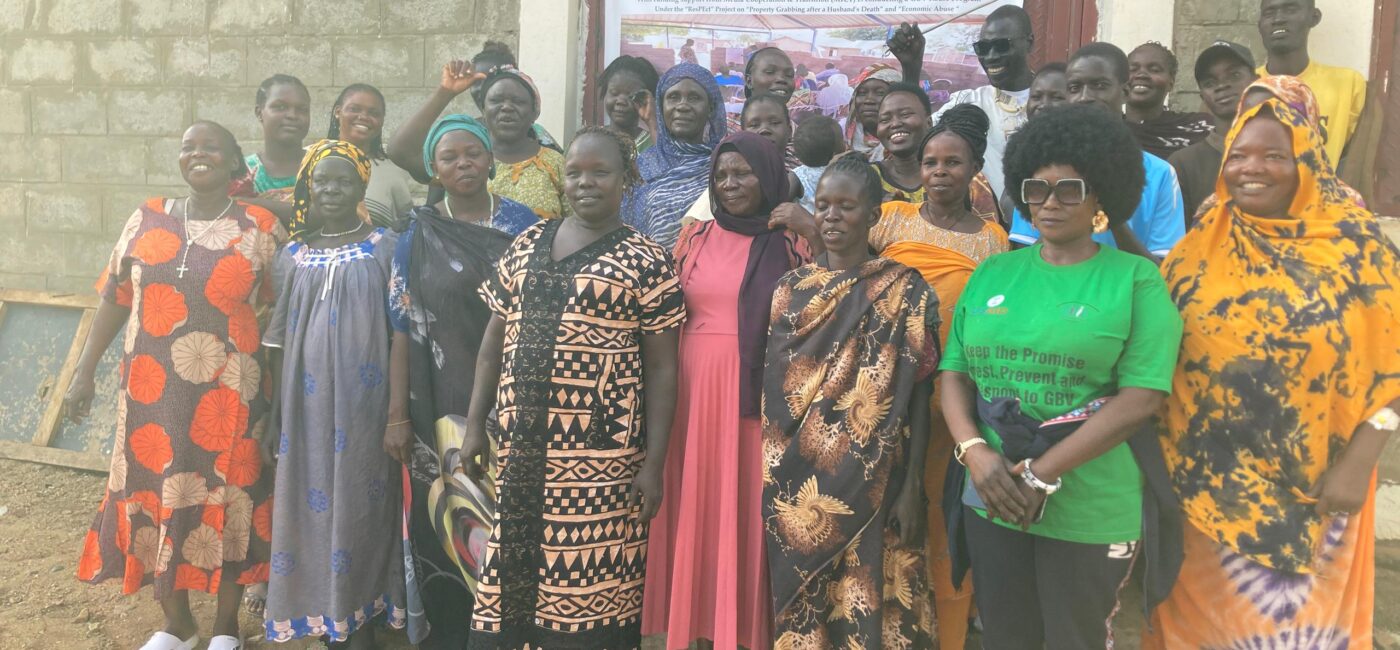
Women in the Gumbo area suburb of Juba City have raised serious concerns over gender-based violence (GBV), economic violence, sexual exploitation, and harmful cultural practices affecting their lives and livelihoods during a women’s empowerment awareness event organised in the area.
The event aimed at educating women about their rights, promoting gender equality, and encouraging communities to fight against violence and discrimination targeting women and girls under the theme “Hear Us, Respect Us, Act Now.”
Speaking during the event, a woman’s representative, Christine Dudu Philip, said many women continue to suffer after the death of their husbands, claiming that relatives of the deceased often take all the family property and leave widows and children with nothing to survive on.
“Our biggest problem comes when our husbands die. Family members take everything from us and leave us suffering with our children. Women are left helpless without support or property,” Dudu Philip explained.
Dudu further highlighted economic violence within households, saying some men force women who are employed to take full responsibility for basic family needs such as food, school fees, and household expenses, while the men only focus on long-term development projects or personal interests.
Another woman named Josephine narrated the difficulties women face while searching for jobs in Juba, accusing some employers of demanding sexual favours before offering employment opportunities, despite women having the required qualifications.
“When women go looking for jobs in Juba, some bosses ask them to first sleep with them before they can be employed; even qualified women are denied opportunities unless they accept such conditions,” Josephine stated
She also emphasised that many husbands prevent women from engaging in businesses or income-generating activities, making them fully dependent on men for survival. She explained that some women are denied money even for their personal needs and necessities.
“Some men do not allow women to do business, and they don’t even provide money for things women need,” Josephine added.
Philip Magok, a participant in the event, also condemned the practice of widow inheritance and gender-based violence. He said that the situation where widows are allegedly forced to marry brothers or relatives of their late husbands after the death of a spouse is unacceptable.
Philip said this practice is unhealthy and has increased the number of people living with sexually transmitted diseases.
One woman said the practice exposes women to health risks, including sexually transmitted infections, and violates their rights and freedom of choice.
“When our husbands die, we are forced to marry their brothers. This practice is dangerous and contributes to the spread of sexually transmitted infections,” she said.
The area chief, Emmanuel Amin, of the Gumbo area appreciated the organisation for conducting the awareness campaign and educating women on their rights.
Amin called for the initiative to be extended to villages, counties, and states across the country where many women continue to face violence, discrimination, and injustice.
“This initiative should not stop here in Gumbo. It needs to reach villages and other counties because many women are suffering silently,” Chief Amin stated.
He also urged the government to handle women’s issues fairly and ensure justice is provided equally to all citizens, regardless of social or financial status.
“The government should respond accordingly and not base justice on who has money,” he added.
The executive director for the Women Foundation for Humanity (WFH), Dorothy Drabuga, encouraged women to understand and defend their rights whenever they are violated.
She urged women not to remain silent when facing violence, discrimination, or exploitation, emphasising the importance of reporting abuse and seeking legal support whenever necessary, adding that women’s empowerment is key to building stronger and healthier communities.
“Women have their full rights in the constitution of the Republic of South Sudan, and also, there are civil society activities that look into issues for women,” Dorothy said.
The awareness event ended with calls for stronger laws to protect women, increased community sensitisation on GBV, and greater support for women empowerment programs aimed at improving the lives of women and girls across South Sudan.