


By Jurugo Emmanuel Ogasto
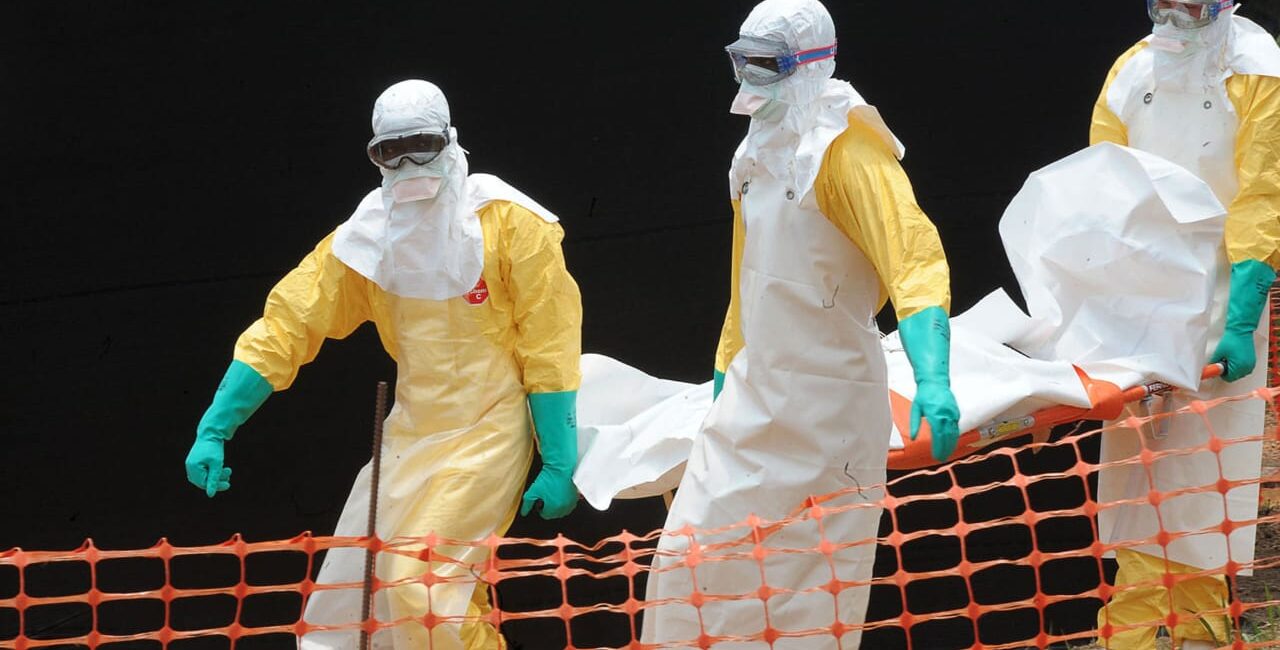
South Sudanese refugees living in Arua District have been urged to avoid unnecessary movement near the Democratic Republic of Congo (DRC) border following renewed fears of Ebola outbreaks in parts of eastern DRC.
Refugee leaders and health workers in Bidibidi Refugee Settlement say the warning is intended to protect vulnerable communities from the deadly virus, which spreads through contact with infected persons and bodily fluids.
Speaking to No. 1 Citizen Newspaper yesterday, Alindu Joel, the block leader of Bidibidi Refugee Settlement, called upon refugees to remain alert and cooperate with health authorities.
“We are advising our people not to move near the DRC border unless it is very necessary. Ebola is a dangerous disease, and once it enters the community, it can spread very fast,” Joel said.
He added that many refugees often travel across border areas for business, family visits, and other activities, a practice he says could increase the risk of exposure.
“As leaders, we are continuing to sensitize our communities about prevention measures such as hand washing, avoiding physical contact with sick people, and reporting suspected symptoms immediately,” he explained.
Health workers in the settlement have also intensified awareness campaigns. Koma Damson, a pharmacist working with refugees in Arua District, urged residents not to ignore health guidelines issued by medical authorities.
“Ebola is deadly, but it can be prevented if people follow instructions seriously. Refugees should avoid crowded border areas and seek medical help immediately if they experience symptoms like fever, vomiting, weakness, or bleeding,” Damson said.
He stressed that early detection and quick reporting are important in controlling the spread of the disease.
Meanwhile, Mindraa Flavia, a teacher in one of the refugee schools, said schools are playing a key role in spreading information about Ebola prevention among children and parents.
“We are teaching learners about personal hygiene and encouraging them to pass the information to their families. Awareness is the best way to protect our communities,” Flavia noted.
She also appealed to refugees to avoid spreading false information that may create fear and panic within the settlements.
Ugandan health authorities have continued strengthening surveillance and screening measures along border points following reports of Ebola cases in neighboring DRC.
Refugee leaders believe cooperation between communities, schools, and health workers will be critical in preventing any possible outbreak within refugee settlements in Arua District.