
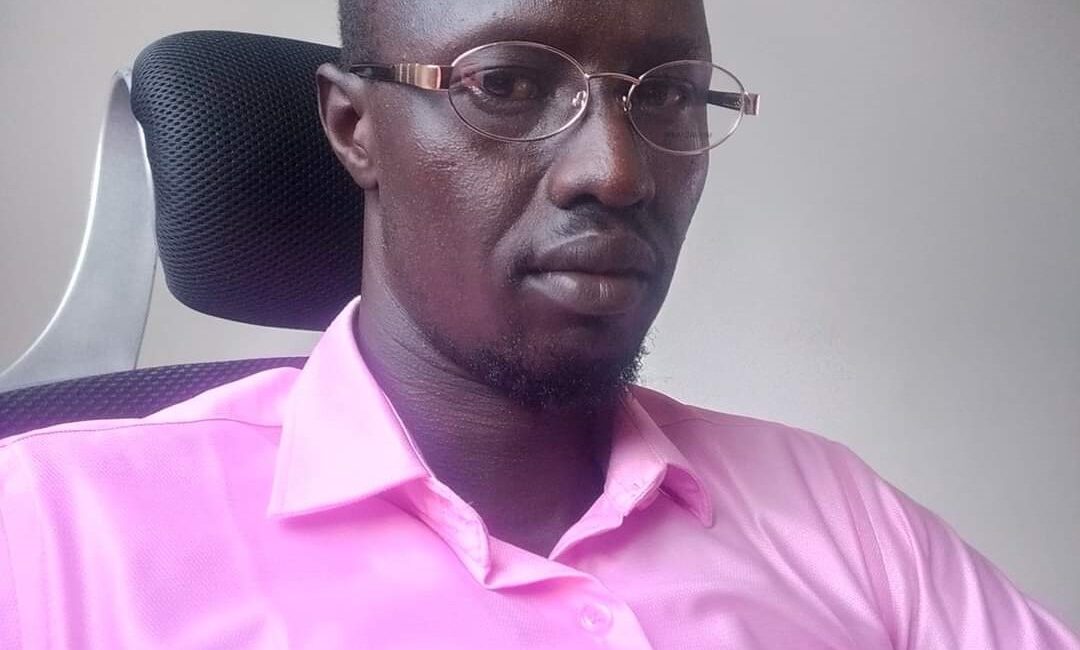

Writer: Tong Akok Anei
In other words, when the executive wing is set for elections, the military wing and other organised forces go muted; they operate behind the scenes. This does not mean they throw away their mandate or their right to vote as part of society, but more importantly differentiates the independence of the two arms, the executive wing and the military wing, that oversee the welfare of the country.
Then, later, whoever wins the election is the leader of the executive wing as well as the leader of the military and other organised forces; this consolidates the saying “the power belongs to the people”: if the leader the people elect kills them, they would know it’s their votes that kill them; if the leader serves them, they would know they voted for the one that serves them.
In a democratic world, the military and other organised forces uphold their doctrine not to influence any processes or outcomes of an election but to support the event by creating a free and secure environment for the process to take place. Despite the outcome, this shows the disposal of power to the people and the independence and maturity of the men in uniforms.
Sudan, in general, before South Sudan’s transition, has not had much experience with democratic elections since its independence from colonisation. If we revisit the 2010 elections, each of us will say one thing or another as to what inspired the processes.
South Sudan, on the other hand, as an independent nation, had never conducted its own elections, and therefore, there was a need for civic education on elections and military education on elections.
These days, as the parties are preparing for elections and have started their registration, it raises a concern when a man known to be in uniform comes out openly declaring his successful registration with a party.
Are our men in uniform partisan or non-partisan in these coming elections? How democratic will our elections be in this case? And how would a man in uniform registered with a party not force me later to vote for his party’s candidates?
We know the political conflicts in South Sudan have created many different armies and allegiances, but as citizens, we thought those armies were fighting for the welfare of the people of South Sudan, not their parties of allegiance, in which we expect them to uphold transparency and neutrality in such a situation.
As we gear towards December in 5 months, the atmosphere in South Sudan seems like nothing is going on, like no elections are coming to civil people; what conquers is a fear when people hear elections. Many critical issues are arising, like Abyei status in elections, as echoed by the Sudanese government recently.
At times, one is not certain if this election will happen, but it surely will be a push or a buying time tool. For the first state with no experience and no election infrastructure, with social and economic breakdown, political tension, and political mistrust between the government and population to organise, arrange, and go for elections in 5 months, it’s the experience the world awaits to see.
The author can be reached via tongakok47@gmail.com & tongakok7170@mail.com
Disclaimer: Any opinion published on our platforms does not represent the view or position of the company or its editorial policy.