

By Lodu William Odiya
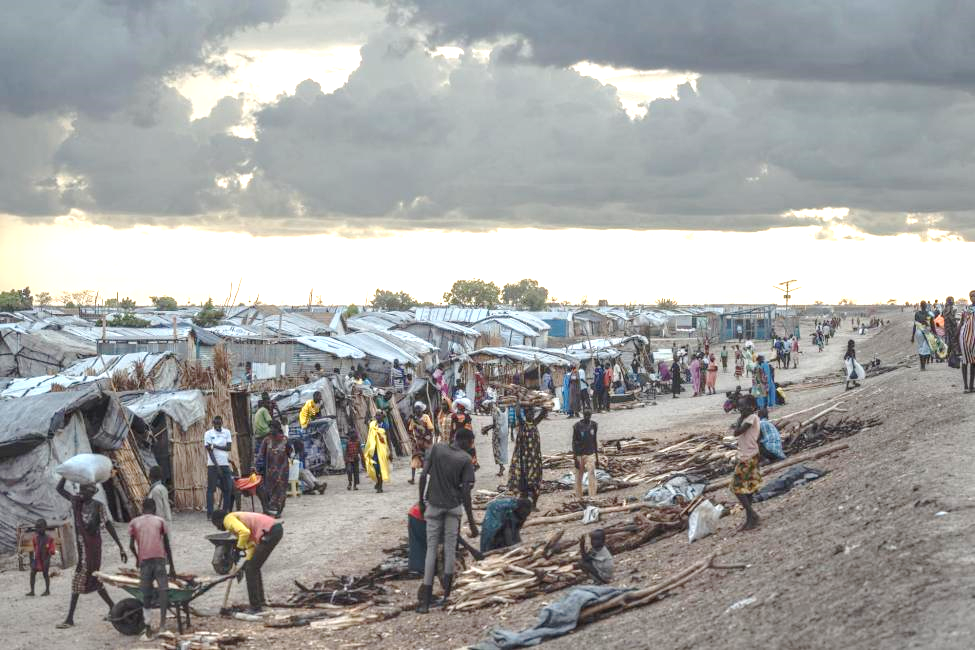
Nearly 187,000 people living in displacement sites and surrounding communities in Bentiu and Malakal risk losing access to clean water, sanitation, and flood protection services as a severe funding shortage threatens to disrupt critical humanitarian operations from November.
In a statement by the International Organisation for Migration (IOM) on Monday, USD 8.35 million is needed to sustain essential water, sanitation, drainage, flood protection, and waste management services from December 2026 through December 2027.
The funding is necessary to support people living in Bentiu IDP Camp, Bentiu IDP Sites, and Malakal Settlement, many of whom have endured years of conflict, repeated displacement, flooding, and worsening humanitarian conditions.
IOM warned that without urgent financial support, taps could run dry, sanitation systems could fail, and communities could face increased risks of flooding, cholera, diarrhoea, and other potentially fatal diseases.
“Access to clean water, sanitation, and protection from flooding are fundamental to the survival and dignity of displaced communities,” said Vijaya Souri, Chief of Mission for IOM South Sudan.
“With the right support, we can prevent avoidable disease, reduce the risk of flooding and further displacement, and help sustain the progress being made towards lasting solutions in Bentiu and Malakal,” she said.
The organisation said the interruption of water and sanitation services could create serious public health risks for thousands of vulnerable people. Latrines could overflow, while the lack of clean water could increase exposure to cholera and other waterborne diseases.
The situation could be particularly severe in Bentiu, where continued drainage pumping and maintenance of protective dykes are essential to preventing flooding.
IOM warned that without these services, the Bentiu IDP Camp could face heightened flood risks during the coming rainy season, potentially damaging homes and critical infrastructure and forcing families already displaced by conflict and flooding to move again.
The funding crisis comes as South Sudan continues to face heightened insecurity, prolonged displacement, recurrent flooding, rising food insecurity, and an ongoing cholera outbreak.
Rubkona and Malakal counties are among the areas prioritised under the 2026 Humanitarian Needs and Response Plan, highlighting the importance of maintaining life-saving humanitarian assistance.
IOM said it already has infrastructure, heavy machinery, and skilled teams operating in Bentiu and Malakal, allowing it to respond rapidly to flooding, disease outbreaks, and other emergencies.
The agency added that sustaining the services is also important for South Sudan’s longer-term plans to help displaced communities move towards durable and sustainable solutions.
As efforts continue to reduce reliance on large displacement sites, IOM said basic services and essential infrastructure must remain available to ensure that any transition is safe, voluntary, and dignified.
IOM is working with UN agencies and non-governmental organisations to support planned camp transitions, responsible reductions in services, and long-term investments in sustainable infrastructure.
The organisation said sustained international support remains crucial to preventing a humanitarian setback and protecting nearly 187,000 vulnerable people from losing services that are vital to their survival and dignity.