



By Yiep Joseph
The Council of States has warned that counties and payams created without following the law cannot be legally recognised as administrative units.
This came amid growing complaints over the creation of new local government structures in parts of the country.
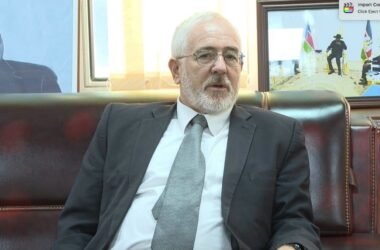
Richard Amonya, a representative of the Council of States, said that the establishment of any county or payam must follow the procedures prescribed by law, including consultation with local communities and the issuance of an official establishment order.
“Any county and payam which is established without an establishment order is not called a payam; it is not called a county,” Amonya said.
He said an establishment order is essential for an area to acquire formal legal recognition as a county or payam.
“Because a county, to identify it as a county, that means you need to have an establishment order that has been given to that place,” he said.
Amonya acknowledged that some administrative units have been created outside the required legal procedures, saying some decisions appeared to be politically motivated.
He singled out Jonglei State, where the Council of States has received numerous complaints from communities over the creation of new payams and sub-counties.
“Right now, in Jonglei State, for example, we have a lot of creation of payams and sub-counties, which is happening. And we receive a lot of complaints from the people of Jonglei that they bring their complaints, and we take note of that,” he said.
The Council, Amonya said, is reviewing the complaints against the provisions of the 2018 peace agreement and existing laws governing local government and the creation of administrative units.
He argued that the current transitional framework does not permit the creation of new counties and payams before elections.
“Based on all sorts of agreements, including the 2018 agreement, there are no creations of payams and counties unless we go for the elections. It is there in the laws,” Amonya said.
The Council of States is now considering further action against authorities accused of creating administrative units without following the required procedures.
Amonya said the Council could summon officials responsible for the decisions to explain the basis on which the new units were created.
“As a Council of States, we are trying now to look into it, so we need to summon those who are creating this thing based on the Local Government Act. Then we also hear from them what is happening,” he said.
The dispute over the creation of administrative units goes beyond questions of legal procedure. In several communities, disagreements over county and payam boundaries have been associated with tensions, violence, displacement, and the destruction of property.
Amonya stressed that communities must be involved in the process and that proposed administrative areas must meet the legal requirements before they can be formally declared counties or payams.
The Council’s position places the legality of recently created administrative units under renewed scrutiny, particularly in Jonglei, where communities continue to challenge decisions they say were made without adequate consultation or adherence to the law.