


By Lodu William Odiya
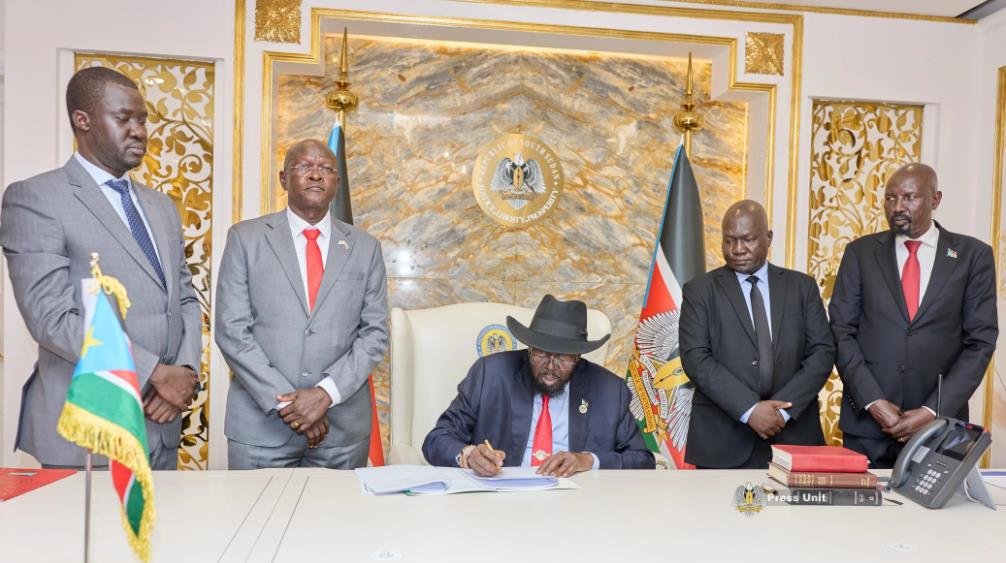
President Salva Kiir Mayardit has assented to the National Elections Act, 2012 (Amendment) Bill, 2026, marking another major milestone in South Sudan’s preparations for the December 2026 General Elections, according to a statement from the presidential press unit.
“The new law amends provisions of the principal Act, the National Elections Act, 2012 (Amendment) Act, 2023, to harmonise existing inconsistencies, ensure full alignment with the Transitional Constitution of the Republic of South Sudan, 2011 (as amended), and establish a streamlined legal framework for the upcoming elections,” the statement partly read.
Following the signing ceremony, Minister of Presidential Affairs Africano Mande Gedima said the amendment provides greater legal clarity as the country enters the final stages of preparations for the polls.
“Among the key changes, the law provides clear rules for the allocation of parliamentary seats and defines the operational mandate of High Elections Committees across the States and Administrative Areas, strengthening the structures responsible for implementing the electoral process across the country,” the statement added.
It stated that the amendment also operationalises the delinking of elections from the permanent constitution-making process and the national population and housing census, allowing the NEC to proceed with preparations for elections without the two processes being prerequisites.
The law further provides for continuity of executive authority during the election period, allowing the incumbent president to remain in office and exercise constitutional powers until the elected president assumes office.
It also provides for the exercise of presidential powers in accordance with Article 104(2) of the Transitional Constitution regarding the relief of the First Vice President and the Vice Presidents within the period prescribed ahead of the elections.
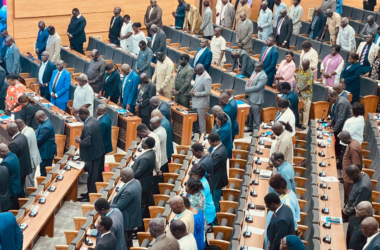
Under the amended law, the National Legislative Assembly will comprise 270 members, while each State Legislative Assembly will have 58 members, and each Administrative Area Legislative Council will have 20 members.
The signing of the Elections Act amendment is a significant step in South Sudan’s democratic transition, providing the legal foundation required for the conduct of elections and the country’s gradual transition toward a permanent democratic and constitutional order.
Those who want to govern should prepare to seek the people’s mandate. Those who want to represent constituencies should engage those constituencies and prepare to seek the confidence of their citizens. Those who disagree politically should compete politically and peacefully.
Following the elections, the presidency looks toward a South Sudan with a leaner government focused on services and development and a parliament that is closer and more accountable to the constituencies it represents.
According to the statement, the transition has brought South Sudan to an important moment, adding that the presidency believes that the next chapter should increasingly place the people of South Sudan at the center of deciding who represents them and how their country is governed.
With the legal framework taking shape and the National Elections Commission advancing preparations, the government says its focus is now on ensuring that South Sudanese citizens are able to exercise their democratic right and choose their representatives through the ballot in December 2026.