



By Kei Emmanuel Duku
A recent report reveals that Sudan and South Sudan are at the epicenter of the most severe food crises within the IGAD region, with a combined 42 million people facing acute food insecurity. The data, released by IGAD yesterday during the seventh edition of the Global Report on Food Crises, highlights a dire situation driven by a convergence of conflict, weather extremes, and economic shocks.
The report provides a comprehensive assessment of acute food insecurity and malnutrition for 2024 and 2025. It emphasizes that while the statistics may seem abstract, they represent the lives of people facing desperate conditions. According to the findings, the number of people in a state of crisis or worse (IPC Phase 3 or above) has tripled in five countries—Kenya, Somalia, South Sudan, Sudan, and Uganda—from 13.9 million in 2016 to 41.7 million in 2025.
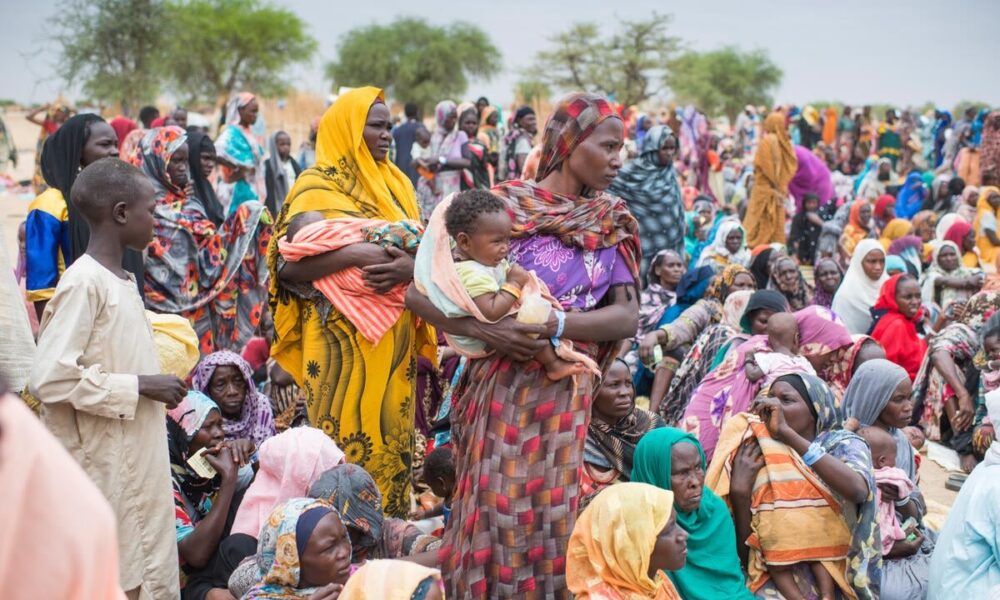
Sudan remains the region’s largest and most severe food crisis. Projections indicate that 24.6 million people, or 51% of its population, faced high levels of acute food insecurity between December 2024 and May 2025. Conflict has been the primary driver, disrupting agricultural systems and trade, and leading to an economic contraction. Sudan also accounts for the majority of the region’s internally displaced persons (IDPs), with 10.1 million, making it the world’s largest internal displacement crisis.
While Sudan has the largest number of IDPs, South Sudan has the highest prevalence of acute food insecurity in the region, with 57% of its population in crisis or worse. The number of people needing urgent food assistance has risen to 7.7 million since the 2024 peak. The current crisis in Upper Nile State is fueled by escalating hostilities and the influx of returnees from Sudan, with parts of the country, like Luangpin and Ulang, facing a plausible risk of famine.
While Sudan and South Sudan represent the most extreme cases, other IGAD countries also face significant challenges. An estimated four million people in Somalia, a 4% increase from 2024, are in a state of crisis or worse. Drought conditions in central and northern areas continue to be a concern for IGAD leaders.
Meanwhile, in Kenya, the number of people in crisis or above was projected to be 2.8 million between April and June 2025. While seasonal improvements led to a decline to 1.8 million, the number is expected to rise again to 2.1 million due to forecasted below-average rains.
In Uganda, the number of people facing high levels of acute food insecurity remained at 2 million, according to the 2024 peak report, driven by drought and a refugee influx from South Sudan while in Djibouti, about 0.2 million people are in need of food and medical assistance, a decrease from the 2024 peak but still a significant concern.
The report highlights that hundreds of thousands of people in both Sudan and South Sudan are estimated to be in Catastrophe (IPC Phase 5), the most extreme phase of food insecurity where starvation is evident. Additionally, both nations are experiencing severe nutrition crises. Sudan has 3.7 million malnourished children, and South Sudan has 2.3 million. Overall, 11.4 million children across the IGAD region are estimated to suffer from acute malnutrition.
According to the report, the region is not on track to meet the Sustainable Development Goal of ending hunger by 2030. It added that a coherent strategy addressing immediate humanitarian needs and long-term structural vulnerabilities is urgently required to change the trajectory.
The Intergovernmental Authority on Development (IGAD) is an eight-country trade bloc in Africa that includes Djibouti, Eritrea, Ethiopia, Kenya, Somalia, South Sudan, Sudan, and Uganda and six of the eight are badly hit by food insecurity.
This seventh edition of the IGAD Regional Focus report builds on previous data to track and analyze the evolving food security situation in the region, providing critical insights into the causes and scale of the ongoing crises.