


By James Innocent
Humanitarian and development stakeholders in South Sudan had been urged to strengthen their programs through a rights-based approach that ensures inclusivity, accountability, and alignment with international human rights treaties.
Policy analyst Slash Moses, speaking to representatives from various sectors in Yei, emphasized that sustainable development can only be achieved when programs respect international standards.
He cited standard such as the Convention on the Rights of Persons with Disabilities (CRPD), the Convention on the Elimination of All Forms of Discrimination Against Women (CEDAW), and the Convention on the Rights of the Child (CRC).
“Rights-based approaches are powerful tools for advocacy, especially when working with governments and institutions that may be reluctant or under pressure” he said.
“They call for careful, diplomatic engagement that balances respect for national ownership with the responsibility to uphold international commitments” Moses added.
He argued that development models rooted in charity or needs-based frameworks are no longer sufficient.
However, he called for programming that actively engages both rights-holders and duty-bearers throughout a project’s life cycle from planning and assessment to implementation and monitoring.
“When communities themselves identify problems, agree on their causes, and design solutions, they are far more likely to support and sustain the outcomes,” he said.
Moses urged the international and national actors to strengthen participatory processes in program design.
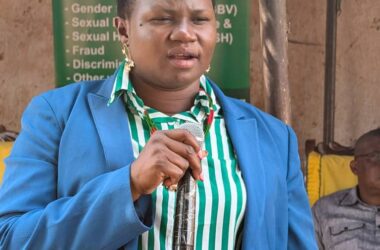
Meanwhile, Medina Kiden Adigess, a disability rights advocate, appealed for humanitarian agencies and policymakers to prioritize the protection and participation of people with disabilities, particularly during conflict and economic hardship.
“Many people with disabilities become victims of war because they cannot easily flee conflict zones” she said.
“Those who rely on wheelchairs or who are visually impaired face life-threatening barriers when violence erupts” she underlined.
Adigess added that the worsening economic situation in South Sudan has left disabled communities increasingly vulnerable.
She said their exclusion from community activities and resource-sharing further undermines their dignity and survival.
“When it comes to participation and distribution of resources, we are often forgotten. We are not asking for charity, we are asking for our rights” she added.
Advocates argued that a human rights-based approach (HRBA) offers a pathway to address these gaps.
By treating people with disabilities and other marginalized groups as rights-holders—and governments as duty-bearers—the approach reinforces accountability while ensuring inclusion at every stage of humanitarian and development work.
Aligning South Sudan’s policies with global frameworks such as the CRPD, they say, would help strengthen equity, participation, and protection across programs.
Both Moses and Adigess stressed that inclusive and participatory policymaking is critical if South Sudan is to achieve sustainable development outcomes.
Their call highlighted the urgent need for national institutions and international partners to embed rights-based principles in program implementation, ensuring that no community is left behind in the country’s fragile recovery process.