


By Alan Clement
South Sudan’s Political Parties Council (PPC) has raised concerns over failed by the political parties to turn up for registration as election approaches.
PPC revealed that no new political parties have been registered since 2015.
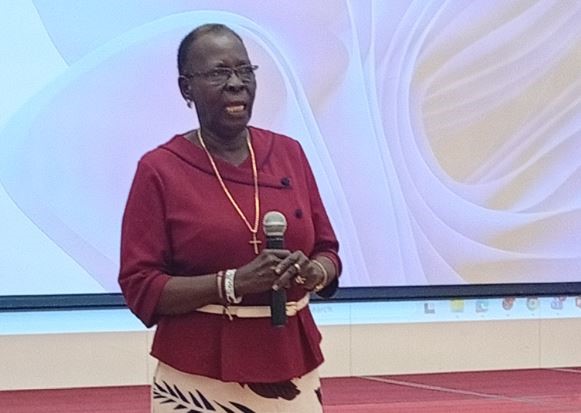
Speaking at a recent journalists’ workshop in Juba, PPC Deputy Chairperson Lola Loduro James disclosed that the Council has not approved any new applications since its reconstitution in 2023.
She attributed the delay to high registration fees and procedural hurdles that disproportionately affect emerging parties.
“When we came to office, we found that there were 74 political parties in total, but only 29 were officially registered and all between 2010 and 2015,” Loduro explained.
“So far, we have not registered any new political parties since taking office in 2023,” she added.
She noted that the outdated fee structure remains a major barrier. “We are still in dialogue with the Ministry of Justice to make the registration fee more accessible, given the economic challenges,” she said adding “But again, we ask: if you are a political party and cannot raise that amount, how will you lead South Sudan?”
Loduro emphasized the PPC’s dual responsibility: ensuring that parties are credible and financially capable, while also promoting inclusivity and fair participation. “We don’t want briefcase parties,” she said.
“We want political entities that, when they come to power, will not steal. But we are also mindful that many women and smaller groups struggle to mobilize resources.”
Established under the Political Parties Act of 2012 and amended in 2022, the PPC is mandated to register, monitor, regulate, and deregister political parties.
It also verifies compliance with legal requirements, including the stipulation that parties must have at least 500 members in each of South Sudan’s seven states and two administrative areas.
Loduro warned that the lack of new registrations could undermine the credibility and inclusivity of the upcoming elections. “Political pluralism is key to democratic transition,” she said.
“If we don’t give the National Elections Commission the list of registered political parties, it will be difficult to proceed. That’s why our role is critical; we must finalize registrations and ensure parties meet all requirements.”
She acknowledged that PPC operations had previously stalled due to the absence of a quorum, but affirmed that the newly constituted Council has begun clearing the backlog of pending applications.
The revelation comes as South Sudan continues to implement the Revitalized Agreement on the Resolution of the Conflict in South Sudan (R-ARCSS), which mandates the conduct of free and fair elections following the completion of key transitional tasks.
Political analysts say the PPC’s disclosure highlights one of several institutional and legal hurdles that could jeopardize the country’s readiness for credible elections in 2027 if not urgently addressed.
“We are working hard to ensure that when the time for elections comes, every registered party is ready and compliant,” Loduro assured. “It’s our collective responsibility to make this transition work.”