


By Alan Clement
South Sudan’s transition faces mounting pressure as election bodies, legal institutions, and civil society warn that delays, insecurity, and shrinking civic space threaten preparations for the 2026 polls.
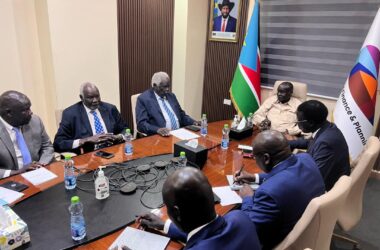
Senior officials from the National Constitutional Review Commission (NCRC), the National Elections Commission (NEC), the Transitional National Assembly, and independent actors sounded the alarm during the National Stakeholders’ Dialogue in Juba, where concerns converged around legal deadlines, operational challenges, and the deteriorating environment for public participation.
The NCRC’s Secretary-General Natana John said the constitutional process; intended to guide the next elections and define the governance framework has fallen far behind the timeline prescribed in the peace agreement.
He cautioned that with limited resources, slow disbursements, and the vast scope of public consultations still pending, South Sudan risks entering the 2026 elections without the foundational legal blueprint expected of a country transitioning from conflict.
“With scarce resources, delays, and pending consultations, South Sudan risks entering the 2026 elections without the legal blueprint vital for transition,” he warned.
Natana’s warning underscores a critical tension. The Revitalized Agreement mandated a permanent constitution before the end of the transition.
However, with less than a year to complete drafting, validate the text, conduct nationwide consultations, and prepare a referendum, NCRC officials admit the timeline is now “extremely tight” and may be legally unachievable without renewed political commitment and accelerated funding.
These sentiments were echoed by NEC’s Director of Budget and Planning, Ahon Malou, who said the commission is yet to receive the full financial, logistical, and security support necessary to launch comprehensive voter registration across all states.
He noted that while the NEC stands ready to implement its mandate, “critical operational components” remain outstanding, including secure access to conflict-affected counties and clear legal clarity on pending constitutional and electoral amendments.
“Without these guarantees, the credibility of the entire electoral process could be undermined, leaving citizens uncertain about the path to a peaceful transition,” he stressed
These concerns come at a delicate moment in South Sudan’s political landscape. The country has been navigating a fragile transition since the signing of the 2018 Revitalized Peace Agreement, which sought to end five years of civil war.
Key provisions including the unification of forces, legal reforms, and establishment of transitional institutions have been implemented slowly, often interrupted by renewed local conflicts, humanitarian crises, and political disagreements among signatories.
With less than a year toward the 2026 electoral roadmap, uncertainty over constitutional arrangements and a tightening civic environment has amplified fears of entering an election without the necessary institutional foundations.
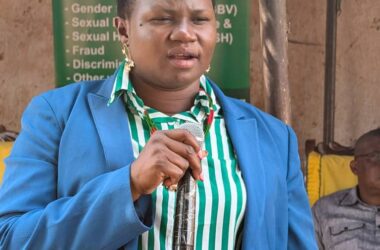
Parliamentary voices added urgency to the warnings. Lawrence Bona, Chairperson of the Peace and Reconciliation Committee in the RTNLA emphasized that freedom of expression is increasingly under pressure, with journalists, activists, and citizens expressing fear of reprisals for engaging in political discourse.
He said the shrinking civic space contradicts the democratic spirit envisioned in the peace agreement, and risks undermining the legitimacy of the election before ballots are even cast.
Several civil society participants highlighted recent incidents where journalists were detained, public discussions were restricted, and local authorities obstructed civic meetings.
They argued that unless the government restores public confidence by guaranteeing open participation, the elections may be perceived as exclusionary or coerced.
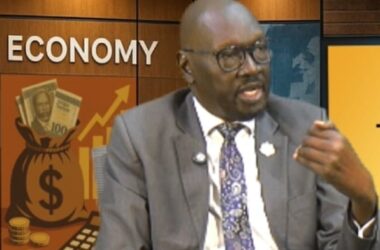
Constitutional expert and Member of Parliament Richard K Mulla also weighed in. He acknowledged existing legal ambiguities, particularly regarding the constitutional timeline, election laws, and unresolved provisions in the peace agreement.
He said South Sudan’s transitional institutions require “clear, harmonized legislation” to avoid contradictions that could later be exploited for political contestation or disputes.
Observers had previously said these intersecting challenges; legal delays, logistical shortfalls, civic suppression, and persistent insecurity paint a troubling picture for South Sudan’s readiness.
Conflict-affected communities in Upper Nile, Warrap, Jonglei, and parts of Central Equatoria continue to face violence that could disrupt voter registration, civic education, and polling.
NEC officials confirmed that without a countrywide security plan, certain areas may remain inaccessible, raising questions about inclusivity and national coverage.
The broader consequence, stakeholders warned, is that South Sudan may once again face a transition extension or enter elections without the full constitutional and legal safeguards envisioned in the peace accord.
Such an outcome carries political risks. Previous extensions have triggered frustrations among citizens and donors, who expect South Sudan to demonstrate tangible progress toward a stable, democratic order.
Despite the challenges, the dialogue highlighted opportunities.
Participants urged the presidency, parliament, and relevant ministries to expedite decisions on pending laws, immediately allocate resources to NCRC and NEC, and publicly commit to protecting civic freedoms.
They also called on security institutions to guarantee safe access for election workers and the public.
As the transition period narrows, South Sudan’s path toward the 2026 polls will largely depend on urgent political will.
Without rapid action to address constitutional delays, protect civic space, and strengthen election preparedness, the country risks entering a historic vote without the cohesion, legal clarity, or public confidence required for a peaceful democratic transition.