


By Alan Clement
South Sudan has renewed calls to integrate traditional medicine into formal healthcare, positioning indigenous practices as a complementary pillar to expand access to services, particularly in rural and underserved communities.
According to a statement from the Health Ministry, the call was made by the Minister Sarah Cleto Rial, during the 2nd WHO Global Summit on Traditional Medicine held in New Delhi from December 17 to 19.
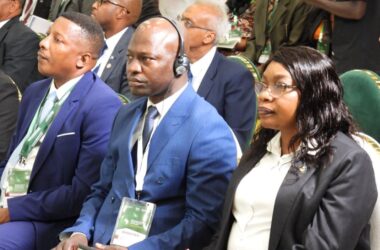
The high-level summit brought together ministers, policymakers, scientists, and traditional medicine practitioners from around the world to examine how traditional, complementary, and integrative medicine can be safely and effectively incorporated into modern healthcare systems.
Speaking on the margins of the summit, the Ministry of Health said South Sudan views traditional medicine as an important yet underutilized resource in addressing persistent gaps in healthcare delivery.
“Traditional medicine remains the first point of care for a significant proportion of our population,” the Ministry stated, noting that the country’s fragile health system, limited infrastructure, and shortage of trained medical personnel have left many communities reliant on indigenous healing practices.
According to the Ministry, integrating traditional medicine into the national health system would not replace conventional medicine but rather complement it through regulation, research, and evidence-based practice.
The government emphasized that such integration must be guided by patient safety, scientific validation, and alignment with World Health Organization frameworks.
“At the global level, there is growing recognition that traditional medicine, when properly regulated and supported by evidence, can contribute meaningfully to primary healthcare,” the Ministry said in a statement.
“South Sudan is keen to learn from international best practices and adapt them to our national context.”
The Delhi summit provided a platform for countries like South Sudan to share experiences and explore policy models for incorporating traditional medicine into national health strategies.
Discussions focused on regulation, quality assurance, research and development, intellectual property protection, and the role of traditional medicine in achieving Universal Health Coverage.
During the summit, delegates also visited the All India Institute and Hospital of Ayurveda, where participants observed the structured integration of traditional medicine into India’s public health system.
South Sudan’s delegation described the visit as instructive, highlighting how institutional support, training, and research have enabled traditional medicine to coexist with conventional healthcare.
The Ministry of Health stressed that such models are particularly relevant for South Sudan, where geographical barriers and years of conflict have limited access to formal healthcare services.
Integrating regulated traditional medicine, officials argue, could help bridge service delivery gaps while preserving cultural heritage.
“Any integration process must ensure that traditional practitioners are trained, regulated, and supported to meet acceptable standards of care,” the Ministry noted.
“This is essential to protect patients from harmful practices while preserving valuable indigenous knowledge,” the Ministry added further.
South Sudan’s intervention at the summit comes amid broader national discussions on health system reform and resilience. The country continues to face high maternal and child mortality rates, recurrent disease outbreaks, and chronic shortages of health workers, especially in rural areas.
Officials believe that harnessing trusted community-based health practices could strengthen primary healthcare delivery if properly governed.
The WHO Global Summit on Traditional Medicine concluded with a renewed commitment from member states to strengthen collaboration, research, and policy development in the field.
The summit also reaffirmed WHO’s role in supporting countries to develop regulatory frameworks that ensure the safe and effective use of traditional medicine.
The Ministry of Health said South Sudan will continue engaging with WHO and development partners to explore technical support for policy development, research, and capacity building.
“Global collaboration is essential,” stressed the Ministry adding,“By respecting culture, applying science, and prioritizing patient safety, traditional medicine can play a meaningful role in restoring balance and strengthening health outcomes for our people.”
Officials indicated that outcomes from the Delhi summit will inform future national dialogue on health policy, particularly as South Sudan works toward expanding equitable access to healthcare and achieving long-term health system sustainability.