



By Chol D. Johnson
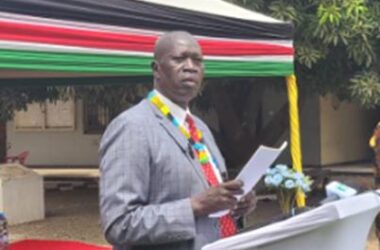
In a statement released Monday during a practical training session in Juba, Garang emphasized that the integration of classroom theory with hands-on experience is the key to unlocking student potential.
The headteacher’s vision is heavily informed by his specialized agricultural training in Shanghai, China. He is advocating for a departure from traditional, subsistence-style farming in favor of modern technologies, including advanced irrigation systems and sustainable soil management.
“I urge students to view the school farm as a living laboratory when putting into practice the skills and innovations they learn,” Garang stated. He believes that by transforming agriculture into a scientific tool, schools can empower students while simultaneously addressing national food security.
With food insecurity remaining a critical challenge for the nation, Garang argues that school-led initiatives offer a tangible solution.
“By growing their own food, students ensure a steady supply of nutritious meals for the school community while reducing dependence on expensive external sources,” he noted. Beyond consumption, he views the farm as a commercial engine, stating that “surplus produce from the school garden can be sold to the local community, creating a source of income that can supplement the school’s budget and fund other student programs”.
The benefits of the program extend beyond the harvest. Garang insists that the “hands-on agricultural labour” is vital for building the self-reliance necessary for the next generation of leaders and engineers. This approach aims to foster a deep sense of responsibility and a lasting connection to the land.
To ensure these benefits reach every student, Venus International Secondary School is working to weave agricultural practicals directly into the standard curriculum, ensuring graduates possess “tangible, life-sustaining skills”.
Garang concluded with a plea to the National Ministry of Agriculture and international partners to provide resources for schools eager to launch similar programs.
“South Sudanese citizens are aiming for change and development through agriculture,” he said, signaling a collective desire for a self-sufficient future.