


By Lodu William Odiya
South Sudan parliamentary Alliance for food security and nutrition has on Wednesday revealed that over Seven million people face acute food shortage annually.
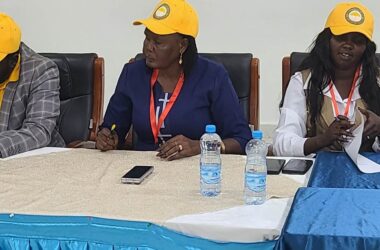
In a report read by Mawien K, Dhok Ariik, focal person and Team leader member of Health and population committee at the August house, Malnutrition rates among children under five remain among the highest globally, with Global acute malnutrition levels exceeding emergency thresholds in the country.
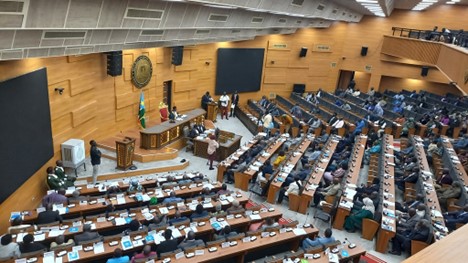
This report followed a training attended by the parliamentary alliance in Addis Ababa-Ethiopia to empower Eastern Africa parliamentarians with knowledge, skills and collaborative framework necessary to advance the right to adequate food through effective legislation, oversight and accountability mechanisms.
According to Dhok, Eastern Africa remains one of the world’s most food-insecure regions, with 134.6 million people currently facing malnutrition due to persistent food crises.
“This is particularly in South Sudan, where 9.3 million people require humanitarian assistance and 2.2 million children are malnourished” he said.
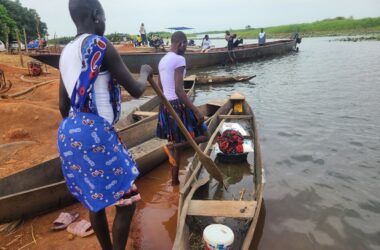
Dhok added that the recurrent droughts, floods, conflicts and governance challenges has severely disrupted agri-food systems as floods submerge farmland and displace people, leading to widespread loss of livelihood.
He underscored that South Sudan was one of the countries that participated in the launch of Eastern Africa parliamentary Alliance for food security and nutrition on April 15, 2019, to convene legislators and place food security and nutrition high on parliamentary agenda.
Dhok highlighted that the training would also deepen parliamentarian’s’ understanding of the legal and institutional foundations of the right to food.
Additionally, he added that it would enhance skills in budgeting, monitoring and accountability for food security and nutrition and also support domestication of the pan-African parliament’s model law on food security and nutrition.
He further stressed that the training done on food security would foster collaboration among eastern African parliament’s model law on food security and nutrition.
The two-day technical training was structured to blend theoretical insights with practical learning, enabling parliamentarians to deepen their understanding of right to adequate food and its legislative, institutional, and budgetary implications.
In their recommendation, the parliamentary Alliance urged the parliament to champion a Right-to-Food Bill.
“Parliament should champion a Right-to-Food Bill, aligned with the pan-Africa Model Law on Food and nutrition security, to guarantee every citizen’s legal entitlement to adequate and nutritious food” Dhok highlighted.
Despite the challenges the country is facing, it has vast arable land (over 30 million hectares), abundant water resources from the Nile basin, and a youthful population that drive agriculture transformation if adequately empowered.