
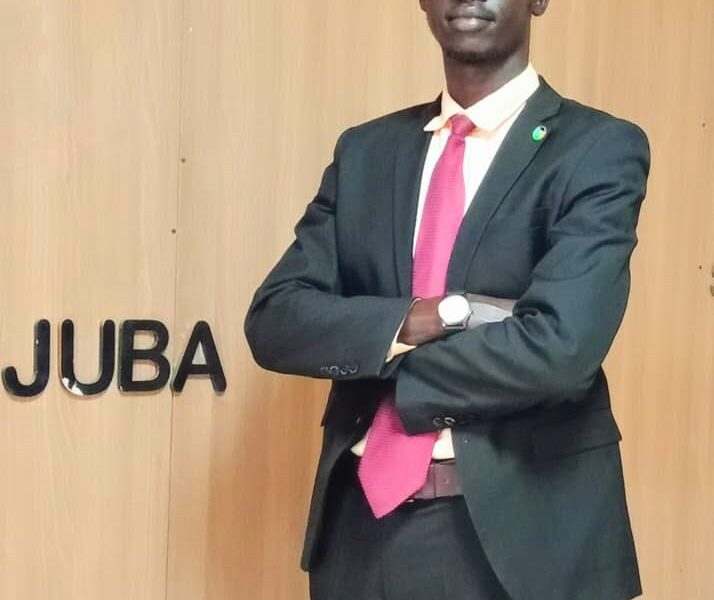


By Peter Der Makuer
This article is written under the National Forum, a non-political civic initiative and national campaign for unity and transformation in South Sudan, founded on the spirit of patriotism and responsible nationalism. Deeply concerned by the rising levels of hate speech, tribal incitement, and conflict threatening the social fabric of our nation, the National Forum seeks to promote civic education, national consciousness, and peaceful coexistence among all South Sudanese. At a time when divisions are widening and national cohesion is under strain, the National Forum believes that true patriotism is demonstrated by unity, mutual respect, and commitment to the common good, while authentic nationalism rejects tribal supremacy and embraces inclusive nationhood. This article forms part of an ongoing civic education campaign aimed at awakening national responsibility, particularly among young people, who carry the greatest stake in the future of South Sudan (UNDP, 2020).
South Sudan stands at a defining moment in its history. As a nation endowed with youthful energy and vast potential, its future trajectory will largely be shaped by the choices made today, especially by young people, who constitute approximately 72 percent of the population (African Union, 2016).
At a time when hate speech, conflict, and tribal incitement are increasingly threatening national cohesion, the role of youth in safeguarding peace and unity has never been more critical. “Hate speech and tribal incitement are not harmless expressions of opinion. They are dangerous tools that dehumanize communities, inflame tensions, and often serve as precursors to violence (United Nations, 2019).”
In South Sudan, ethnic identity has frequently been politicized, turning diversity into a weapon rather than a strength. Reckless rhetoric, whether spread in public gatherings, private conversations, or on social media, has contributed to cycles of mistrust, displacement, and suffering (International Crisis Group, 2021).
Social media, in particular, has become a double-edged sword. While it provides space for civic engagement and information sharing, it has also enabled the rapid spread of misinformation, inflammatory narratives, and hate-driven propaganda (UNESCO, 2018). Without responsibility and critical thinking, digital platforms risk deepening divisions rather than fostering dialogue. Young people must take a clear and principled stand against hate speech and tribal incitement. This begins with personal responsibility, rejecting discriminatory language, challenging harmful stereotypes, and understanding that words carry real consequences. Promoting messages of unity, dignity, and shared national identity is essential if South Sudan is to move beyond ethnic polarization.
Equally important is the promotion of constructive dialogue. Youth should lead conversations that address grievances peacefully and respectfully, both online and offline. Schools, universities, community centers, and religious institutions can serve as platforms for inter-communal dialogue and reconciliation. Meaningful engagement across tribal and generational lines helps heal wounds and rebuild trust. Political manipulation of tribal divisions is often amplified through social media, making responsible digital citizenship essential. Young people must verify information before sharing, reject fake news and propaganda, report hate speech and incitement online, and use digital platforms to share positive stories and messages that promote national unity and peace (UNESCO, 2018; UNDP, 2020).
Too often, youth have been manipulated into serving narrow political interests rooted in ethnic divisions. South Sudanese youth must refuse to be instruments of violence. They should advocate for issue-based politics, demand accountability from leaders, and support policies that promote inclusive development and justice for all citizens (International Crisis Group, 2021). True patriotism is demonstrated through informed civic engagement, not blind loyalty. Education remains one of the most powerful tools for preventing conflict. Youth-led organizations and civil society groups should champion civic education initiatives that highlight the dangers of hate speech, tribalism, and misinformation. Schools, universities, and community platforms must instill values of tolerance, critical thinking, and responsible citizenship. An informed youth population is less susceptible to manipulation and more capable of contributing to peace and national cohesion (African Union, 2016; UNDP, 2020).
Peacebuilding is reflected in everyday actions. Young people must build friendships across tribal lines, promote inclusivity in workplaces and communities, and support unity-driven initiatives. Small, consistent actions by youth can create a ripple effect, strengthening social cohesion and fostering a culture of peace (UNDP, 2020). Peace is not only the responsibility of government; it is a collective effort. Young people must actively participate in peacebuilding initiatives at local, state, and national levels. Their involvement ensures that peace processes are inclusive, sustainable, and representative of the aspirations of future generations (International Crisis Group, 2021).
Finally, the future of South Sudan rests firmly in the hands of its youth. Hate speech, tribal incitement, and conflict are not inevitable, they are choices that can be rejected. Young people must choose unity over division, peace over violence, and responsibility over recklessness. By rejecting hate, promoting dialogue, engaging responsibly online, advocating for issue-based politics, and leading by example, South Sudanese youth can transform the national narrative. They have the power to lead the nation toward lasting peace, national unity, and sustainable development. The responsibility is ours, and the time to act is now.
References
- African Union. (2016). African Youth Charter. African Union Commission.
- International Crisis Group. (2021). Preventing Conflict Through Inclusive Governance in South Sudan. https://www.crisisgroup.org/africa/horn-africa/south-sudan
- United Nations. (2019). United Nations Strategy and Plan of Action on Hate Speech. United Nations.
- UNESCO. (2018). Countering Online Hate Speech: A Practical Guide for Educators. Paris: UNESCO.
- United Nations Development Programme (UNDP). (2020). Youth, Peace and Security: South Sudan Context Report.
Written on behalf of National Forum – A Non-Political Coalition for National Unity and Transformation in South Sudan
By Peter Der Makuer
President – National Forum
Email:peterder169@gmail.com
WhatsApp: +211929949898