
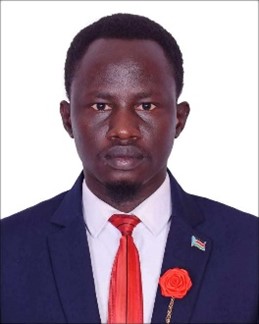




Authored By Engr. Maker Mangol Acien Yuol
Educated girls in South Sudan face numerous difficulties in getting married. Many educated men prefer to marry uneducated girls from their villages, especially those involved in cattle rearing.
In communities like Gok, Agar, Yirol, Warrap’s communities, Unity’s communities, Bor, Twic, Munderi, Upper Nile’s communities, etc., traditional gender roles are deeply ingrained. Education for girls is not always prioritized because girls are believed to get spoiled easily in schools when they are considered one of the family incomes through the dowries paid. Some men may feel intimidated by educated women or prefer more traditional partners. Additionally, the behaviors seen with some educated ladies disengage men from dating them or breaking some relationships with them. When a girl knows her rights in schools, she will definitely defend her rights, and in the end, she may be violating the norms and values of the community as the norms and values of the communities do not align with school norms and values, leading to some misunderstanding about our educated ladies. The dowry system creates significant financial pressure. Educated girls often have higher dowry expectations, which can deter potential suitors who cannot or do not wish to meet these demands. There is a perception that educated women may prioritize their careers over family life, causing hesitance among men who value traditional household roles. These educated ladies may produce fewer children compared with the uneducated ladies who get married at an early age, and this has given them a hard time to get partners as African cultures center on the number of children a family will have in the end. The educated ladies hardly share with other co-wives. They will hardly allow their men to marry second or more wives, perhaps bringing fear in men. There is a mismatch in the number of educated men and women, with fewer educated men available due to socio-economic factors. This imbalance complicates the search for suitable partners within educational and social circles. Societal norms may discourage women from actively seeking partners, further limiting their opportunities.
Efforts to address these challenges are gradually gaining momentum, with various organizations and community leaders advocating for change. Initiatives that focus on empowering women through education and raising awareness about the benefits of marrying educated women are essential. Community awareness programs are in place to promote the value of women’s education and encourage equitable gender roles. By valuing education for both genders and balancing traditional practices with modern perspectives, progress towards inclusive and supportive marriage practices can be achieved. The family members also have to lobby for their daughters in an integrity-driven manner that has some values in it. Moreover, dialogue between different generations within communities can help bridge the gap between traditional beliefs and modern values. Encouraging open discussions about the importance of education and the role of women in society can foster mutual understanding and respect. As more people recognize the value of educated women, it may lead to a gradual shift in attitudes, reducing the stigma associated with marrying educated women. In addition, creating opportunities for educated women to participate in community leadership roles can showcase their capabilities and challenge stereotypes. When communities witness the positive impact of educated women in leadership positions, it can inspire others to embrace change and reconsider traditional marriage preferences. Ultimately, fostering an environment where both men and women can pursue education without fear of societal repercussions will contribute to a more equitable society. By promoting gender equality and valuing the contributions of educated women, South Sudan can move towards a future where marriage is based on mutual respect and shared aspirations, rather than societal expectations.