
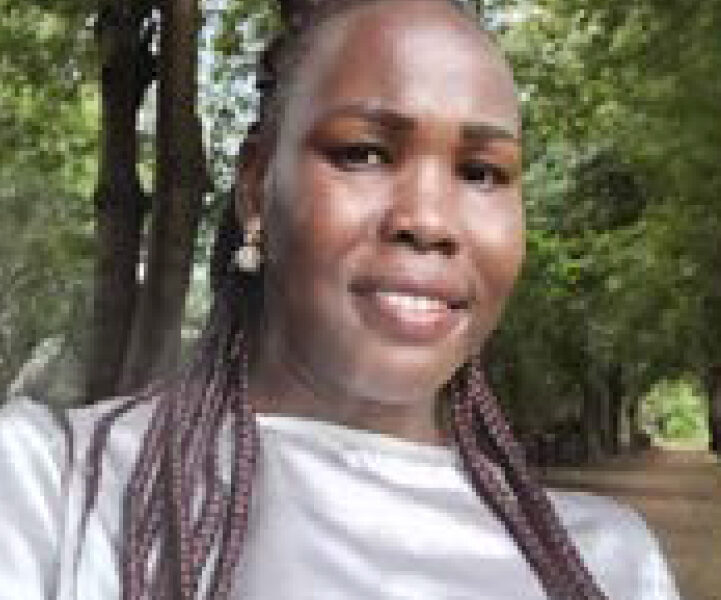



By: Esther Aurelio Agira
Rape is a violent crime most often committed by men. Yet instead of holding perpetrators accountable, society allows them to defend their actions while shifting blame onto survivors.
Most disturbingly, girls and women are often blamed for the violence committed against them. The first questions asked by the society are rarely about the perpetrator. Instead, people ask: what was she wearing? Where was she going? Why was she out at that time? These questions deliberately shift responsibility away from the criminal and place it unfairly on the victim.
It is worth stating that clearly and without apology: rape is never caused by a women’s clothing, behavior, or movement. it is caused by the rapist’s choices and actions.
Many men argue that rape is likely to occur if a woman wears short clothes or outfits that reveal parts of her body. This harmful believes shifts excuses perpetrators while burdening survivors with blame. if clothing were truly the cause of rape, why are women who wear long dresses still raped? Why are elderly women raped? Why are children as young as four years old sexually assaulted? These painful realities expose the lie at the heart of victim-blaming narratives.
Rape not causes by what a woman wears, where she goes, or how she behaves. It is caused by a perpetrator who chooses violence over consent.
Blaming survivors only deepens their trauma and protects offenders by normalizing their crimes. As a society, we must stop interrogating victims and start holding criminals accountable.
Our culture has failed to protect women in many ways. For instance, when a daughter is raped, some families choose silence over justice. They fear shame, stigma and the believe that the survivor’s future especially marriage has been destroyed. As a result, crimes are hidden, perpetrators walk free and survivors are forced to carry a burden that was never theirs to bear.
One man once claimed that women give “wrong signals” through the way they move their bodies, describing women’s bodies as inherently seductive. He further argued that men’s sexual urges are naturally stronger women’s. Such statements are frequently used to excuse sexual violence, shifting responsibility from perpetrators to victims instead of demanding self-control, accountability and respect from offenders.
Women are fare more vulnerable to rape than men. Even a mentally ill woman living on the street is not spared, she is often subjected to sexual violence, and many are left pregnant as a result. Rape has nothing to do with beauty, age, body type or social status. A rapist does not care whether a woman is beautiful or ugly short or tall, sane or mentally ill. What matters to the rapist is power and access.
Tellingly, we rarely if ever hear of a mentally ill man on the streets being raped. This reality exposes a hard truth: rape is overwhelmingly a gendered crime rooted on inequality, entitlement and systematic devaluation of women’s bodies.
Ending rape begins with changing our mindset. It requires rejecting harmful cultural narratives and standing firmly with the survivors. Silance and blame sustain violence; truth and accountability dismantle it.
A society that questions victims protects rapists. A society that holds perpetrators accountable protect everyone. It is time to move shame onto those who commit violence and give survivors the justice, dignity and solidarity the deserve.
By: Esther Aurelio Agira
Telephone no 0921492857
Email: esteraurelio91@gmail.com