


By Alan Clement
South Sudan faces hotter-than-average conditions this season, with climate experts warning that rising temperatures could compound drought risks despite forecasts of near-normal rainfall across much of the country.
The IGAD Climate Prediction and Applications Centre (ICPAC), the World Meteorological Organization, and national meteorological agencies have warned South Sudan of a “dual climate challenge” for the March–May (MAM) 2026 season.
According to the regional outlook released at the 72nd Greater Horn of Africa Climate Outlook Forum (GHACOF 72) in Nairobi, western and eastern South Sudan are forecast to receive rainfall within the normal range. However, ICPAC cautioned that warmer-than-average conditions across the region could intensify evaporation, reduce soil moisture, and heighten drought risks particularly in Jonglei, Upper Nile, and Eastern Equatoria.
Dr. Abdi Fidar, Director of ICPAC, underscored the urgency of early action. “Seasonal forecasts are not just about rainfall totals, “Rising temperatures can undermine water availability, stress crops, and worsen humanitarian risks if governments and communities do not prepare.” he stated
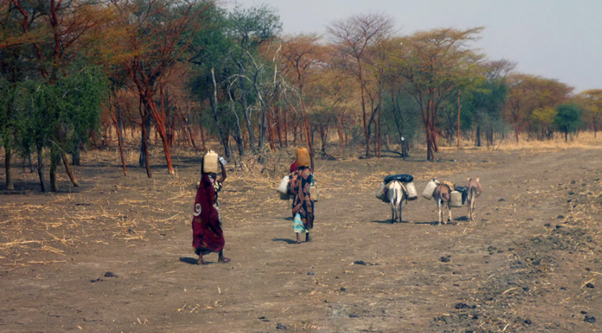
South Sudan’s economy and food security remain heavily dependent on rain-fed agriculture and pastoralism. Consequently, the forecast of hotter conditions raises immediate concerns regarding crop yields, livestock health, and water scarcity.
Edward Muriuki, Director of Kenya’s Meteorological Department, emphasized the critical nature of early warning services. “Timely climate information enables communities to adapt planting and grazing strategies. Without it, hotter conditions could erase the benefits of near-normal rainfall,” he warned.
South Sudan’s vulnerability is well-documented. The 2025 Climate, Peace and Security Fact Sheet highlighted how rising temperatures and shifting rainfall patterns have led to alternating cycles of drought and flooding, eroding coping capacities in a nation already weakened by decades of conflict.
The FAO’s previous climate outlooks have noted a precarious balance: while rain is needed, cumulative monthly rainfall exceeding 200mm often triggers localized flooding and crop loss. This history underscores the “paradox” South Sudan faces; too much water brings displacement; too little brings hunger.
Kenya’s Principal Secretary for Environment and Climate Change, Dr. Eng. Festus K. that science must lead to policy. “Climate services provide a powerful bridge between science and action. South Sudan must strengthen its national meteorological services to protect lives and livelihoods,” Ng’eno, stressed
While South Sudan’s Relief and Rehabilitation Commission (RRC) has previously coordinated flood responses, anticipatory action remains limited. Weak infrastructure and fragile governance continue to hinder disaster preparedness. Humanitarian agencies are now urging the government to invest in a localized early warning systems, Community-led climate training and Robust water management projects.
Without such measures, extreme heat could exacerbate food insecurity for the 7 million people already facing acute hunger during the lean seasons.
South Sudan’s outlook for 2026 presents a complex reality: near-normal rains masked by dangerous heat. For a country grappling with displacement and fragile institutions, this dual threat demands more than just observation. The lesson from past climate shocks is clear: climate services must move from mere forecasts to actionable, life-saving interventions.