

By Alan Clement
South Sudan reduced zero-dose children from 28% to 5% in 2025, but millions still lack routine health services, the World Health Organization (WHO) noted in its annual report.
However, the World Health Organization warned that fragile health access, insecurity and climate shocks continue to leave millions without routine care.
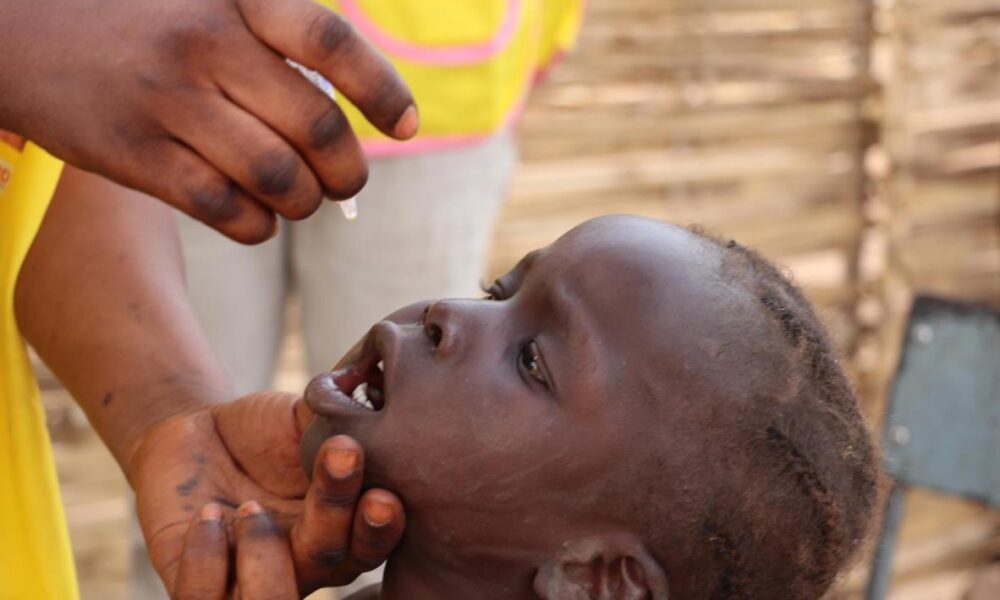
The findings are contained in the WHO South Sudan Annual Report 2025, which documented large-scale vaccination campaigns that reached millions of children during a year marked by cholera outbreaks, floods, population displacement and economic strain.
The reduction in zero-dose children was largely driven by nationwide measles follow-up campaigns and targeted “Big Catch-Up” immunisation drives.
In its report, WHO-supported campaigns through the Ministry of Health vaccinated nearly 2.6 million children aged six to 59 months against measles across 75 of South Sudan’s 80 counties, achieving 86% coverage despite flooding and insecurity.
“These results show what is possible when outreach is prioritised and partners work together, even in difficult conditions,” the WHO stated, noting that targeted strategies were key to reaching previously unvaccinated children.
In parallel, pneumococcal conjugate vaccine campaigns reached more than 2.1 million children in 74 counties, while routine and supplementary immunisation activities protected millions more against polio and other vaccine-preventable diseases.
WHO-supported polio campaigns alone vaccinated over 7.9 million children, with coverage exceeding 93% in most states.
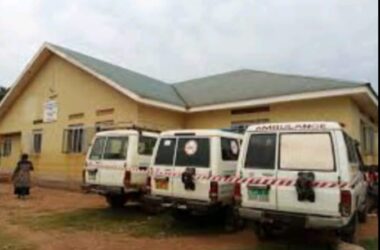
Despite these gains, WHO cautioned that immunisation success has not translated into consistent access to routine health services as large parts of the population still live far from functioning health facilities, and service delivery remains heavily dependent on humanitarian support.
According to the report, only 56% of the population lives within five kilometres of a health facility, while health workforce density stands at 7.9 health workers per 10,000 people, far below international benchmarks.
WHO noted that these structural gaps limit the sustainability of gains made through campaigns. “In many communities, vaccination campaigns are the only health services people see all year,” the report states, warning that reliance on periodic campaigns leaves children vulnerable between interventions.
Access challenges were most pronounced in conflict-affected and flood-prone areas. Counties such as Nasir and Pigi were not fully reached during some campaigns due to insecurity, while seasonal flooding isolated health facilities and disrupted cold chain systems in parts of Upper Nile, Jonglei and Unity states.
WHO said service gaps are driven by wider humanitarian pressures, with about nine million people needing assistance in 2025 due to displacement, food insecurity and climate shocks.
According to WHO, displacement, food insecurity and climate shocks left an estimated nine million people in need of humanitarian aid in 2025, worsening disease risks and weakening routine health care access.
The report further highlighted that South Sudan recorded 288 suspected measles cases in 2025, with outbreaks confirmed in six counties. While rapid vaccination responses helped contain spread, WHO warned that immunity gaps could quickly widen if routine services are not strengthened.
Beyond immunisation, the World Health Organization documented progress in disease surveillance and outbreak response, including high sensitivity in polio detection and faster investigation of public health alerts.
However, it noted that emergency readiness remains uneven, with South Sudan’s overall health system still fragile and underfunded.
Maternal and child health indicators remain stark, with skilled birth attendance at just 19.5% and maternal mortality still among the world’s highest despite recent declines. WHO warned vaccination gains must be matched by stronger primary health care to improve child survival.
To address sustainability concerns, WHO said it supported the Ministry of Health to expand cold chain infrastructure, introduce new vaccines including the malaria vaccine and integrate immunisation with other services such as nutrition screening and maternal health care.
The introduction of additional routine vaccines in 2025, including PCV, rotavirus and a second measles dose, was described as a milestone.
At the same time, WHO urged greater domestic investment and stronger coordination to reduce dependence on emergency funding. Government health spending remains low, while out-of-pocket expenditure continues to place a burden on households.
“The reduction in zero-dose children is a major achievement, but it is not the finish line,” WHO said, emphasising the need to strengthen routine service delivery, health workforce capacity and facility coverage, particularly in hard-to-reach areas.
According to the World Health Organization, sustaining immunisation gains will depend on stabilising access, addressing insecurity and floods, and ensuring that routine health services reach children beyond campaign periods in 2026.
“Every child reached through vaccination is a life protected. The challenge now is to make that protection routine, reliable and equitable,” the report stated.